
Heliotropium longiflorum
Heliotropium longiflorum
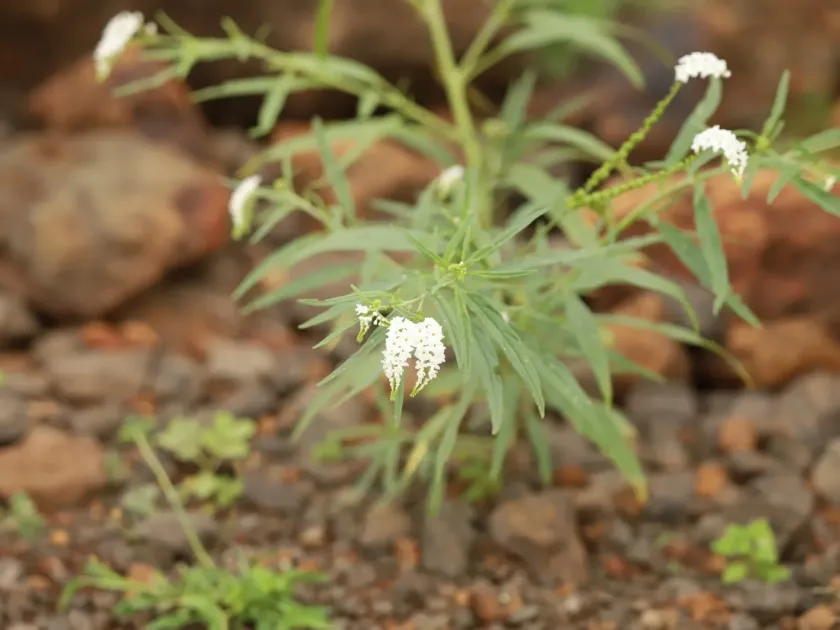
Description
Sowing dates
Heliotropium longiflorum is typically propagated by seeds, which require specific conditions for successful germination. Due to their small size, seeds are surface-sown in a high-quality, moist substrate.
Sowing should take place in early spring, typically February or March, to ensure a sufficiently long vegetative period. The seeds require light for germination and should not be deeply buried in the soil.
Maintaining a stable temperature of +20°C is critical during the initial development phase. A light cover, such as glass or plastic, helps to maintain consistent humidity levels until the seedlings emerge.
Transplanting into individual containers is recommended once the first true leaves appear. This process strengthens the plant structure and prevents excessive competition for light and space between young seedlings.
Outdoor acclimatization should be gradual, stretching over several weeks. Exposing the plants to external environmental stressors slowly helps prevent transplant shock and ensures better survival rates.
Growing requirements
As a member of the Boraginaceae family, Heliotropium longiflorum demands significant solar exposure to thrive. Full sun is essential for the plant to achieve its optimal growth rate and floral intensity.
The soil should be well-drained and nutrient-rich, mimicking natural conditions where the plant is adapted. Poorly drained soil often leads to root hypoxia and subsequent decline in plant health.
Water management must be precise, focusing on keeping the soil moist but never saturated. In dry environments, frequent light irrigation is preferred over infrequent, heavy watering.
Fertilization with a balanced NPK fertilizer supports healthy leaf development and profuse flowering. Trace elements, particularly iron, should be monitored to prevent chlorosis in the foliage.
Regular pruning and maintenance are necessary to encourage branching and prevent the plant from becoming leggy. This horticultural practice helps in maintaining a compact and aesthetic form.
Main diseases and pests
Fungal pathogens such as grey mold (Botrytis) are common threats, especially when air circulation is poor or humidity levels remain consistently high in the canopy area.
Pests like spider mites and whiteflies frequently target this culture. They thrive in warm, dry environments and can quickly sap the plant's resources if left unmanaged by the grower.
Aphid infestations may occur, causing stunted growth and distorted leaves. Early detection via scouting programs is essential to prevent significant economic damage to the crop.
Root diseases are primarily prevented through soil hygiene and the use of sterile growing media. Avoiding overhead watering reduces the likelihood of foliage-related fungal outbreaks.
Integrated pest management (IPM) strategies, including biological controls and targeted chemical applications, are recommended for maintaining plant health in both greenhouses and open fields.