
Heliotropium lineare
Heliotropium lineare
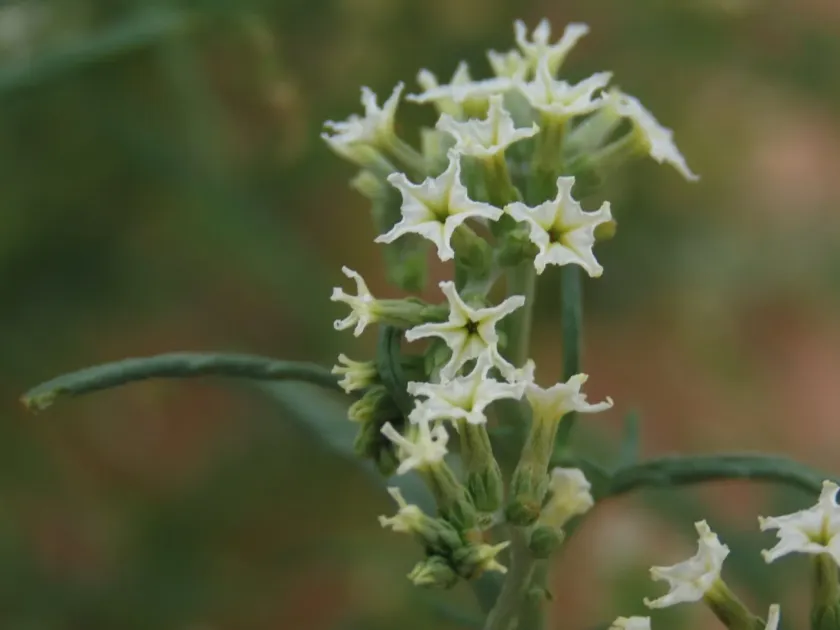
Description
Sowing dates
Propagation of Heliotropium lineare is typically performed through seeds starting in late winter. Seeds should be sown in a high-quality, well-draining potting medium within a controlled greenhouse environment to ensure optimal germination rates.
Maintaining a temperature range between 20°C and 22°C is essential for successful seedling establishment. Providing supplemental artificial lighting can prevent etiolation in the early stages of growth, resulting in stronger stems.
Transplanting seedlings to individual containers once they develop their first set of true leaves promotes robust root development. This stage is critical for future field performance and overall plant vigor.
Acclimatization of the plants before moving them outdoors is a vital step in the nursery process. Gradually exposing the seedlings to outdoor conditions over a ten-day period reduces transplant shock.
Field planting occurs only after the final frost date has passed. Ensuring the soil has warmed up significantly allows the young heliotropes to establish quickly and enter their peak growth phase without stress.
Growing requirements
As a member of the Boraginaceae family, Heliotropium lineare thrives best in locations with full sun exposure. Adequate light is non-negotiable for maintaining the plant’s compact habit and ensuring continuous blooming.
The ideal soil profile for this crop is fertile, light, and possesses superior drainage properties. Heavy clay soils must be amended with organic matter or sand to avoid water retention, which is fatal to the root system.
Consistent moisture management is necessary, though the plant shows some tolerance to temporary dry spells. The soil should remain evenly moist but never saturated, as waterlogged conditions lead to rapid root decay.
Nutrient supplementation is required for sustained growth. Applying balanced liquid fertilizers every two weeks during the active growing season supports flower production and leaf color intensity.
Protection from strong winds is recommended to preserve the integrity of the stems. Proper spacing is also important to ensure adequate air circulation around the foliage, which helps maintain plant health.
Main diseases and pests
Spider mites are common pests that target this crop, especially during hot and dry weather conditions. They feed on the underside of leaves, causing yellowing and premature leaf drop if left unchecked.
Aphids can cause significant damage to young shoots and flower buds. Infestations lead to stunted growth and the transmission of viral pathogens, making early intervention with insecticidal soaps or systemic treatments necessary.
Whiteflies are persistent pests in many regions and can quickly colonize the plant. Their activity produces honeydew, which serves as a substrate for sooty mold, negatively affecting the plant's aesthetic value and photosynthesis.
Fungal diseases, including powdery mildew, frequently occur in conditions of high humidity and poor air circulation. Regular inspection and maintaining good cultural practices are the most effective ways to prevent outbreaks.
Root rot is often a result of overwatering or poorly draining soil. To mitigate these threats, integrated pest management practices should be employed, focusing on cultural controls combined with targeted chemical treatments as needed.