
Heliotropium leiocarpum
Heliotropium leiocarpum
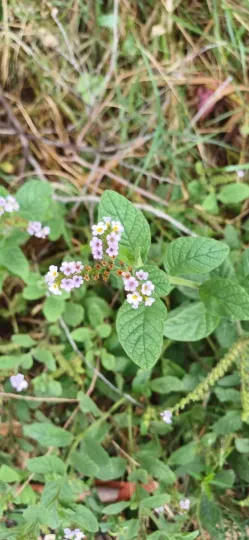
Description
Growing requirements
Heliotropium leiocarpum is an herbaceous plant species belonging to the Boraginaceae family. Originally native to South America, it thrives in warm, temperate climates and is valued for its unique botanical structure and aesthetic appeal.
The plant features distinct foliage covered with fine hairs and dense inflorescences. Its biological adaptation allows it to flourish in open areas, where its ability to track sunlight, known as heliotropism, is most effective for photosynthesis.
Environmental requirements are strict regarding solar exposure. The crop demands full sun for optimal development; even partial shade can lead to leggy stems and reduced flowering, compromising the plant's overall health and vigor.
Regarding soil, it prefers fertile, well-draining loam. Proper aeration is crucial to prevent root asphyxiation, as the plant is highly susceptible to waterlogging. Incorporating organic matter into the soil profile enhances both nutrient retention and soil structure.
Temperature management is vital, as the species is sensitive to cold. It is typically cultivated in regions where temperatures remain consistently above 15-20 degrees Celsius during the active growing season, ensuring steady vegetative growth.
Main diseases and pests
Common pests include spider mites and whiteflies, which thrive in low-humidity environments. These insects pierce the plant tissue, causing leaf discoloration, stunting, and potential transmission of viral pathogens if not controlled early.
Fungal issues, such as gray mold (Botrytis), often emerge in conditions of high humidity combined with poor airflow. This condition is frequently linked to overwatering or planting the crop too densely, creating a microclimate that supports pathogen growth.
Root rot is another frequent threat caused by pathogenic fungi present in waterlogged soils. This disease often goes unnoticed until the plant shows signs of sudden wilting and collapse, by which point the root system may be irreversibly damaged.
Management strategies involve a combination of biological controls and chemical interventions. Regular monitoring of the foliage, particularly the undersides of the leaves, is essential to detect early signs of infestation.
Agricultural hygiene, including the removal of debris and maintaining adequate space between plants, is fundamental to reducing disease pressure. Ensuring that the soil remains moist but not saturated is the most effective preventative measure against root-related ailments.