
Cordia pilosissima
Cordia pilosissima
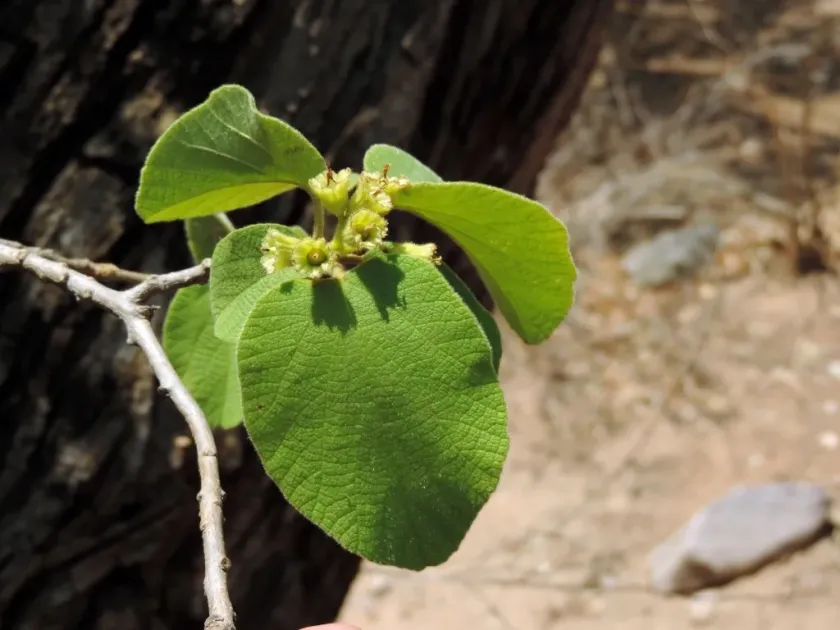
Description
Growing requirements
Cordia pilosissima is a unique woody shrub belonging to the Boraginaceae family. The plant is botanically distinguished by its dense pilose (hairy) vestiture, which covers its stems and foliage, providing a natural mechanism for transpiration control in its native tropical habitat.
Originating from the tropical zones of South America, this species thrives in climates characterized by consistently warm temperatures and high humidity levels. It has adapted to various ecological niches, typically found in areas with well-drained, nutrient-rich soils.
Optimal cultivation requires a tropical environment where temperatures do not drop below 15 degrees Celsius. In agricultural setups, ensuring proper soil aeration and drainage is paramount, as the roots are highly susceptible to hypoxia if waterlogging occurs.
The nutritional requirements involve a balanced intake of macro and micronutrients. Organic amendments, such as compost or well-rotted manure, should be incorporated into the topsoil to improve structure and cation exchange capacity for better nutrient uptake.
Routine maintenance includes systematic pruning to maintain the plant's structural integrity and promote healthy canopy development. This practice helps in managing the foliage density, ensuring that sunlight penetrates the inner parts of the shrub for uniform growth.
Main diseases and pests
The primary biotic threats to Cordia pilosissima include various fungal pathogens that flourish in warm, humid conditions. Anthracnose and leaf spot diseases are common, necessitating stringent moisture management and preventative fungicide applications to protect the foliage.
Pest pressure is frequently exerted by sucking insects, such as aphids and mealybugs, which thrive on the dense pubescence of the leaves. These pests weaken the plant by extracting phloem sap and facilitating the growth of sooty mold on the leaf surfaces.
Integrated Pest Management (IPM) strategies are essential for sustainable production. This includes monitoring populations, encouraging natural predators, and applying targeted, low-toxicity chemical interventions only when necessary to control outbreaks effectively.
Root zone pathogens, such as Phytophthora, represent a significant risk, particularly in heavy soil conditions. Prevention involves maintaining optimal field sanitation, avoiding over-irrigation, and using clean, pathogen-free planting stock for new cultivation areas.
Regular inspections are required to ensure early detection of any health decline. By maintaining a healthy environment and practicing balanced fertilization, the plant's natural resilience is boosted, allowing it to withstand minor pest pressures without significant yield losses.