
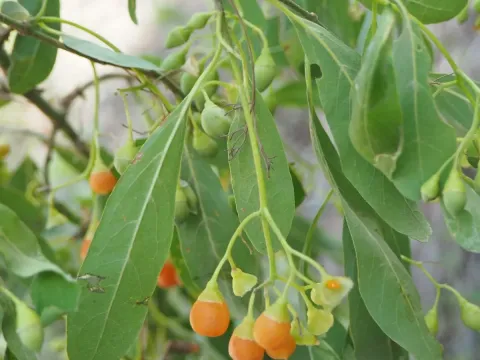
Cordia sinensis
Cordia sinensis
Cordia sinensis is a perennial woody species belonging to the Boraginaceae family. It is recognized for its significant resilience in arid environments, functioning as a hardy shrub or small tree native to parts of Africa, the Arabian Peninsula, and South Asia.
What the section contains
Cordia sinensis
The plant exhibits specific botanical adaptations, including thickened leaves and a deep root system, which allow it to thrive in nutrient-poor, rocky, or sandy substrates. Its growth habit is typically bushy, requiring periodic pruning to maintain structural health and facilitate productivity.
In terms of agricultural requirements, Cordia sinensis demands full sun exposure to maximize physiological processes. It is highly intolerant of waterlogged conditions, making well-drained, porous soils essential for its long-term survival and successful development.
Climate preferences for this crop are strictly tropical and subtropical. It requires high temperatures throughout the year and has zero tolerance for frost, which dictates that its cultivation must be restricted to regions where the thermal index remains consistently above freezing.
The economic value of this crop is multifaceted. The fruits are commonly consumed as a food source, while the foliage serves as a vital component of animal forage during seasons of scarcity. Additionally, the wood is utilized by local communities for various domestic crafts and tools.
Major threats to the health of Cordia sinensis include infestations by leaf-eating insects and sap-sucking pests during the peak growing season. Integrated pest management, focusing on biological controls and regular field inspections, is recommended to preserve yield quality.
Fungal pathogens represent a risk primarily in areas with poor airflow or stagnant humidity levels. Preventive measures include maintaining adequate spacing between individual plants to ensure sufficient ventilation, which helps mitigate the risk of infection and disease development.