
Cordia parvifolia
Cordia parvifolia
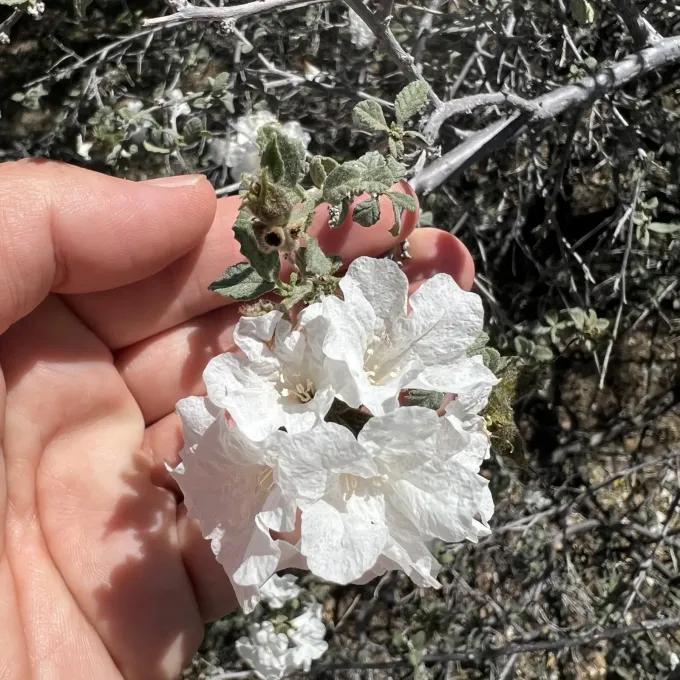
Description
Growing requirements
Cordia parvifolia is a perennial shrub belonging to the Boraginaceae family, native to the arid regions of Mexico and the Southwestern United States. This plant is well-adapted to harsh desert climates, characterized by high temperatures and limited precipitation.
To successfully cultivate this species, it is essential to provide well-draining soil, ideally of a rocky or sandy composition. The plant is extremely sensitive to waterlogged conditions, which can lead to rapid root decay; therefore, a porous substrate is vital for healthy growth.
As a heliophyte, Cordia parvifolia requires full solar exposure to flourish. Sufficient sunlight is crucial for maintaining the shrub's compact structure and stimulating its characteristic profuse flowering during the active growing season.
The optimal temperature range for the development of the plant is between 22 and 35 degrees Celsius. While it can withstand occasional light frosts, prolonged cold weather can cause tissue damage, making it necessary to provide protection or cultivate it in appropriate climatic zones.
Agronomic management involves a strict watering schedule: active hydration is required during the growing season, while a dormant period with minimal to no irrigation is essential to mimic the natural cycle of the plant's native habitat.
Main diseases and pests
The most common pests affecting Cordia parvifolia are spider mites and mealybugs, which thrive in hot, dry conditions. Regular monitoring and the application of appropriate insecticides can effectively control these populations before they cause significant damage.
Root rot remains the most serious threat to this shrub, usually caused by improper soil moisture management. It is imperative to ensure that the soil dries out between watering intervals and to utilize fungicides if signs of soil pathogens emerge.
Powdery mildew can impact the leaves if air circulation around the plant is restricted. Improving ventilation through strategic pruning and maintaining a clean environment around the base of the shrub significantly reduces the risk of fungal infections.
Scale insects represent a potential danger, attaching themselves to the stems and sapping the plant's vigor. Systemic horticultural treatments are recommended to eliminate these pests without damaging the sensitive shrub tissues.
Nutrient imbalance, particularly excessive nitrogen fertilization, can weaken the plant's natural defenses and make it more susceptible to pest outbreaks. A balanced, low-nitrogen approach is preferred to maintain a sturdy and healthy growth habit.