
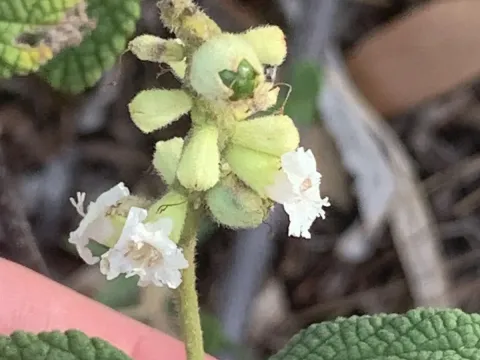
Cordia oxyphylla
Cordia oxyphylla
Cordia oxyphylla belongs to the Boraginaceae family and is a woody plant native to the tropical regions of South America. It is typically found in diverse forest ecosystems, displaying significant adaptability to tropical environments.
What the section contains
Cordia oxyphylla
The plant requires well-drained, nutrient-rich soils to thrive. It is highly sensitive to waterlogging, as the roots can easily succumb to decay in saturated soil conditions. Ensuring proper drainage is a top priority for successful cultivation.
Climate requirements include a warm, humid environment with consistent temperatures. It does not tolerate frost or cold drafts, making it strictly a tropical or greenhouse crop in temperate regions. It prefers full to partial sun exposure.
Botanically, the species is characterized by its distinctively pointed, leathery leaves and specialized inflorescences. The structure of the plant allows it to efficiently manage water loss while maximizing photosynthetic activity in hot climates.
Economically, Cordia oxyphylla is valued for its durable wood, which is used in local crafts, and for its potential applications in traditional medicine. It also serves as an important component in ecosystem restoration projects.
Fungal diseases are among the most significant threats to Cordia oxyphylla, especially in regions with high humidity levels. Root rot and foliar spots are the most frequent issues, often exacerbated by poor air circulation.
Pests such as aphids and scale insects are common adversaries. These sap-sucking insects inhabit the undersides of the leaves and young stem tissue, causing stunted growth and leaf deformation if not managed properly.
Caterpillars and various leaf-eating beetles can cause significant defoliation if left unchecked. Integrated pest management strategies, including the use of biological controls, are recommended for maintaining plant health.
Weed control is essential for young plants, as competition for nutrients and water can significantly hinder development. Keeping the base of the plant clear is crucial for avoiding the buildup of pathogen-carrying debris.
Preventive maintenance involves regular inspection of the canopy to detect early signs of infestation. Removing dead or infected branches helps ensure that the tree remains robust and resistant to environmental stressors.