
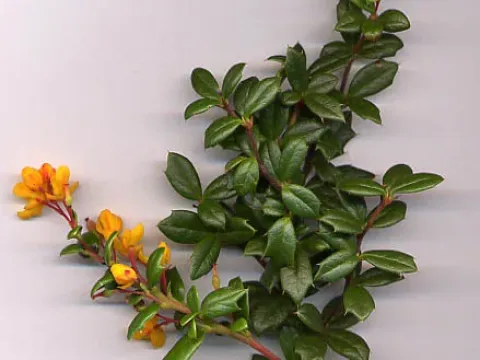
Winton barberry
Berberis wintonensis
The Winton barberry (Berberis wintonensis) is an evergreen shrub belonging to the Berberidaceae family. It is a distinct horticultural entity often used in ornamental landscapes due to its unique foliage and growth habit.
What the section contains
Winton barberry
The species thrives in well-drained, fertile soil with a neutral to slightly acidic pH level. It is crucial to ensure that the site has adequate drainage, as the roots are sensitive to waterlogging, which can lead to rapid decay.
In terms of climate, Winton barberry prefers temperate regions with moderate rainfall. It shows excellent performance in full sun to light shade, where it develops the most vibrant leaf color and maintains a dense structural form.
Agricultural management requires consistent maintenance, including regular pruning to maintain shape and promote health. Fertilization with balanced, slow-release nutrients in early spring is sufficient to sustain vigorous growth throughout the season.
Its primary use is in landscape design, serving as an ideal candidate for formal hedges, foundation plantings, and borders. The plant's architecture provides year-round visual interest in diverse garden settings.
The main pathological concerns for Berberis wintonensis include powdery mildew and leaf rust. These fungal diseases thrive in humid environments with poor air circulation, particularly in thick, unpruned shrubbery.
Pest pressures primarily stem from barberry aphids and various leaf-feeding caterpillars. These insects can cause significant damage to the plant's foliage if left uncontrolled, leading to stunted growth and reduced aesthetic value.
To mitigate disease risks, it is essential to thin out the inner branches regularly, allowing better airflow through the plant canopy. Removing fallen leaves from the base of the shrub also reduces the risk of overwintering pathogens.
Integrated pest management strategies should include monitoring for signs of infestation early in the spring. If chemical intervention is necessary, the use of targeted insecticides or organic horticultural oils is recommended.
Overall plant health is the best defense against pests and diseases. Providing adequate water during dry spells and ensuring the plant is not overcrowded significantly improves its resilience and longevity in the landscape.