
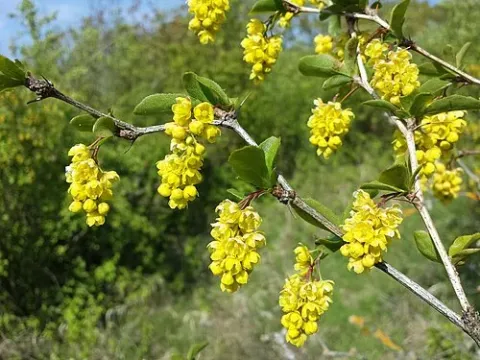
Warty barberry
Berberis circumserrata
Warty barberry (Berberis circumserrata) is a deciduous shrub belonging to the Berberidaceae family. Native to Northern China, it is highly valued for its dense habit and attractive foliage color.
What the section contains
Warty barberry
The plant thrives in full sun, which is essential for developing its characteristic leaf coloration. It is tolerant of various climates and exhibits high cold hardiness during the winter dormant season.
It prefers well-drained, fertile soil but is notably adaptable to various soil types, including slightly alkaline or acidic substrates. It is essential to ensure adequate drainage to prevent water stagnation around the roots.
Basic agricultural care involves light pruning in early spring to maintain its shape and remove dead or diseased stems. Regular mulching is recommended to retain moisture and suppress weed competition around the base.
This species is extensively used in landscape architecture for decorative hedging and border planting. Its thorny stems make it an effective natural barrier when planted as a perimeter hedge.
Powdery mildew is a common fungal issue that affects the foliage under conditions of high humidity and poor air circulation. Proper spacing between plants significantly reduces this risk.
Aphids are the primary insect pests that target the soft growth of the plant. Monitoring the undersides of leaves during the spring is crucial for early detection and manual control.
Rust diseases can occur, particularly in areas near cereal crops, as barberry acts as an alternate host for certain pathogens. It is important to check regional restrictions regarding its cultivation.
Root rot, caused by overwatering or compacted soil, can lead to plant decline. Maintaining a loose and aerated soil structure is vital for the long-term health of the shrub.
Integrated pest management, including pruning for airflow and regular inspections, is the best approach to maintain a healthy specimen throughout the growing season.