
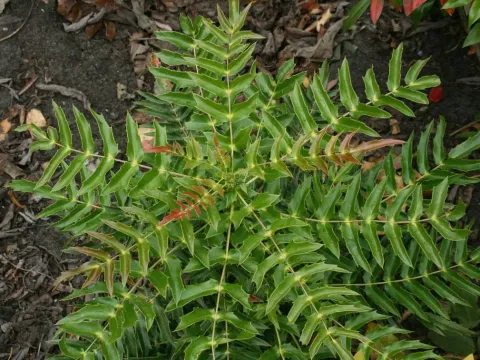
Long-bracted barberry
Berberis longibracteata
The long-bracted barberry (Berberis longibracteata) is a distinct species belonging to the Berberidaceae family. Originating from the mountainous regions of China, this evergreen shrub has evolved to thrive in rocky, well-drained habitats, demonstrating unique botanical adaptations.
What the section contains
Long-bracted barberry
When cultivating this species, site selection is critical; it performs best in soils that are neutral to slightly acidic with excellent drainage properties. Heavy, waterlogged soils must be avoided as they lead to root rot and significant decline in plant health, making raised beds or slopes ideal locations.
The plant requires ample sunlight to develop its full structure and leaf color, although it can tolerate partial shade in hotter climates. It is relatively hardy, yet in temperate regions, it benefits from a sheltered position to protect it from harsh, drying winds that can damage the evergreen foliage.
Standard agrotechnical practices for this species involve balanced fertilization during the spring growth phase to promote dense foliage and shoot development. Watering should be focused on the root zone, avoiding overhead irrigation to keep leaves dry and prevent humidity-related issues.
In terms of usage, the long-bracted barberry is highly valued for landscaping. Its dense, thorny nature makes it an excellent choice for security hedges, while its distinct bracts provide year-round visual interest that is rare among common deciduous garden shrubs.
Like many species in the genus, this barberry is susceptible to powdery mildew, especially in environments with poor air circulation. To mitigate this risk, gardeners should ensure adequate spacing between individual plants during the initial planting phase.
Pests such as aphids and scale insects are common threats that target the soft tissue of new growth. These insects weaken the plant by consuming plant sap, which can lead to stunted growth and yellowing of the leaves if the infestation is left untreated.
Rust fungus is another potential threat, often appearing as small orange or brown spots on the underside of leaves. Maintaining a clean garden environment by removing infected plant debris helps break the lifecycle of the pathogen and prevents re-infection in the following seasons.
Pruning is essential for maintaining plant health and vigor. Removing dead or overlapping branches improves sunlight penetration and air movement, which are the primary natural defenses against both fungal pathogens and insect colonies.
Integrated pest management strategies are recommended, emphasizing biological controls before resorting to chemical interventions. Regular monitoring throughout the growing season allows for early detection, which is key to managing any disease outbreak effectively.