
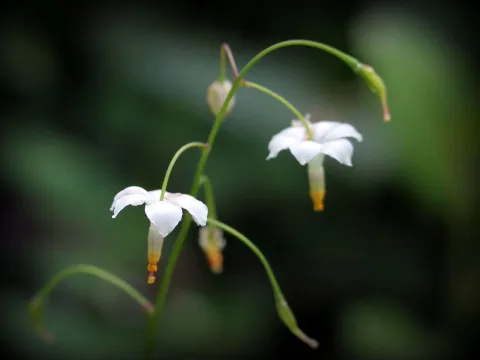
Vancouveria
Vancouveria
Vancouveria is a genus of herbaceous perennials within the Berberidaceae family. Native to the Pacific Northwest of North America, these plants are primarily found in woodland areas where they thrive in shaded and sheltered environments.
What the section contains


Vancouveria
Botanically, Vancouveria is characterized by its rhizomatous growth habit, which allows it to form dense, spreading colonies. The foliage is delicate and often described as having an elegant, airy appearance, closely related to the better-known genus Epimedium.
For optimal growth, the plants require rich, moist, and well-draining soil. An environment mimicking the forest floor, enriched with organic matter such as leaf mold or compost, ensures the plant maintains its vigor and produces lush foliage.
In terms of climate, Vancouveria prefers temperate conditions with reliable humidity and shelter from harsh, drying winds. While the plants are hardy, providing a protective layer of mulch during winter helps insulate the rhizomes in colder regions.
The primary use for Vancouveria is in landscape architecture, specifically for shaded perennial borders. Its ability to create a carpet-like effect makes it an excellent choice for groundcover in wooded gardens or areas beneath established trees.
The most significant threats to Vancouveria are gastropods, specifically slugs and snails, which can cause severe aesthetic damage to the leaves. Monitoring populations during wet spring weather is essential to protecting young, emerging growth.
Fungal diseases are generally rare if the plant is sited correctly; however, improper drainage or poor air circulation can lead to root rot. Maintaining a clean garden bed and avoiding overhead irrigation can significantly mitigate the risk of pathogen outbreaks.