
Valdivian barberry
Berberis valdiviana
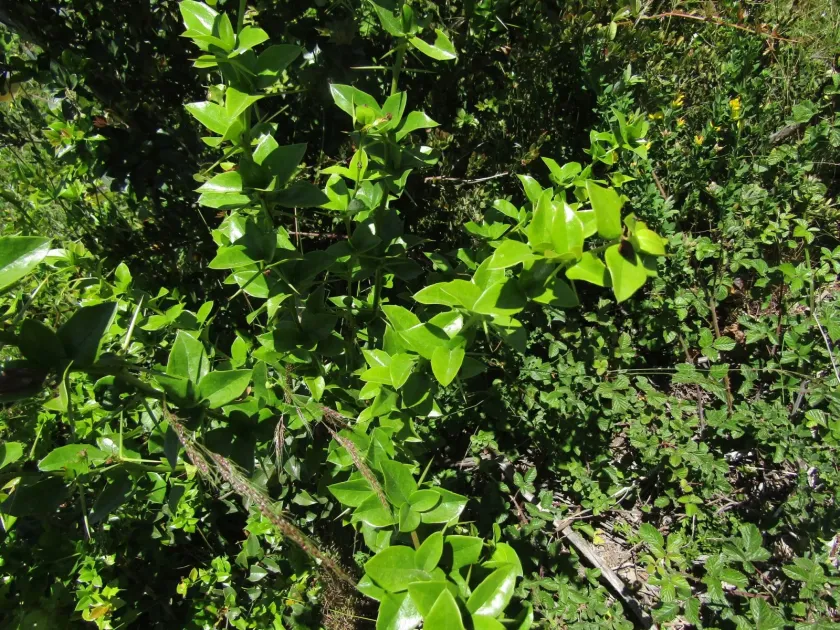
Description
Growing requirements
Valdivian barberry (Berberis valdiviana) is a remarkable evergreen shrub belonging to the Berberidaceae family. It originates from the temperate rainforests of Chile, which defines its specific cultivation requirements for moisture and protection.
This species thrives in a temperate maritime climate where humidity is high and temperature extremes are minimized. It is not suitable for regions with harsh, prolonged winters or arid, drought-prone environments.
The ideal soil conditions for this barberry include well-draining, nutrient-rich, and slightly acidic to neutral soils. Proper soil structure is essential to prevent root rot, which is a major risk in waterlogged areas.
Placement in the garden should mimic its natural habitat: partial shade with protection from direct, intense sunlight that can scorch its leathery, evergreen leaves. Providing a sheltered position against strong winds is also highly beneficial.
Cultural practices involve maintaining consistent soil moisture through regular irrigation and the application of organic mulch. This mulch helps to conserve moisture and provides essential nutrients as it decomposes over time.
Main diseases and pests
Common threats to Berberis valdiviana include fungal pathogens such as powdery mildew and rust, which often occur when environmental humidity is high and air circulation within the shrub is poor.
Insect pests, including aphids and various mites, can infest new growth. These pests can weaken the plant and serve as vectors for secondary viral infections if left unmanaged.
Good garden hygiene is the primary defense: prompt removal of dead or diseased foliage significantly reduces the risk of fungal spread throughout the growing season.
When chemical control is necessary, it is important to choose selective pesticides that target specific pests without harming the surrounding beneficial insect population.
Monitoring for signs of root stress or yellowing leaves is vital, as these symptoms often indicate either improper watering or early stages of soil-borne disease infection.