
Japanese hawkweed
Hieracium japonicum
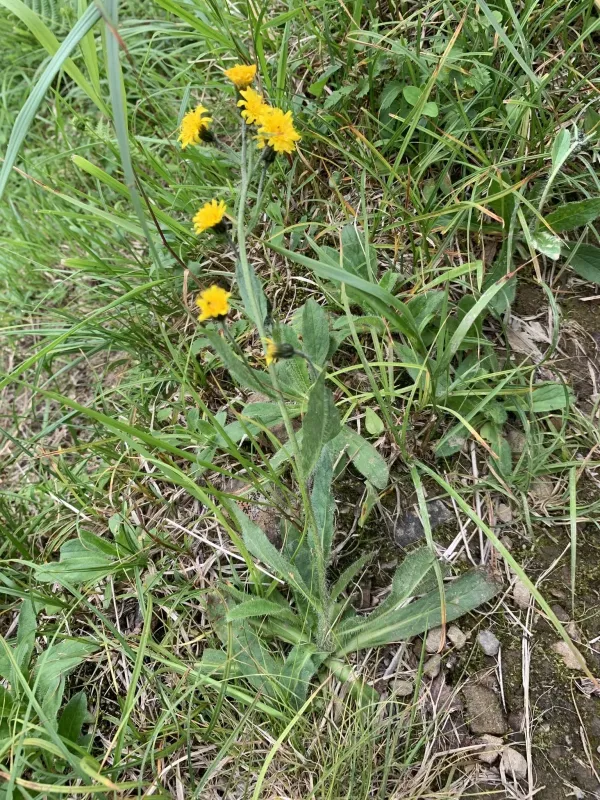
Description
Sowing dates
Japanese hawkweed (Hieracium japonicum) is a perennial herbaceous plant belonging to the Asteraceae family. It is typically found in meadow environments but can be managed as a cultivated crop for fodder or herbal production.
The optimal time for sowing is early spring as soon as the soil temperatures consistently reach 5–8 degrees Celsius. This timing is essential for establishing a robust root system before the onset of high summer temperatures.
Seeds should be sown shallowly, at a depth of approximately 0.5 to 1 cm. Lightly rolling the soil after planting is recommended to ensure firm contact between the seeds and the soil, which significantly improves germination rates.
In agricultural settings, maintaining proper row spacing is crucial to reduce competition between plants. This approach facilitates better nutrient absorption and air circulation throughout the crop canopy.
Natural regeneration is quite vigorous due to the plant's ability to propagate through both seeds and underground vegetative runners, ensuring long-term persistence in permanent meadows.
Growing requirements
This crop thrives in well-drained, sandy loam, or loamy soils. It prefers a neutral to slightly acidic pH range; waterlogged conditions must be avoided as they often lead to root rot and stunted growth.
Full sun is required for optimal development. While the plant can tolerate partial shade, exposure to direct sunlight significantly improves flower production and the overall chemical composition of the biomass.
Japanese hawkweed exhibits moderate drought tolerance, yet consistent soil moisture during the active vegetative stage is necessary to maximize the volume of the green harvest.
Fertilization should be balanced, with an emphasis on nitrogen in early spring to promote leafy growth. Phosphorus and potassium applications are beneficial for root health and overall plant hardiness.
Weed management is vital during the establishment year, as the seedlings grow relatively slowly. Once established, the crop is usually strong enough to outcompete most common field weeds.
Yield
The primary agricultural use for Japanese hawkweed is for forage production, where it provides a nutritious supplement for livestock when harvested at the right phenological stage.
It is also highly valued as a medicinal herb, with the aerial parts harvested for their flavonoid and tannin content. These compounds are utilized in various traditional health applications.
Yields are heavily influenced by environmental factors and the intensity of the crop management. Under favorable conditions, the crop can provide two consistent harvests per growing season.
When used as pasture, the crop is appreciated for its resilience and ability to regrow after grazing. However, stocking density must be controlled to prevent overgrazing of the basal rosettes.
The plant's biomass yield is considered moderate compared to specialized grass species, but its nutritional profile and low-input maintenance make it a valuable component in diverse agricultural landscapes.
Main diseases and pests
Powdery mildew is a common threat, especially in areas with high humidity and poor airflow. Preventive measures include ensuring proper plant spacing and avoiding overhead irrigation during humid weather.
Aphids can cause significant damage by feeding on the sap of young stems and flower buds, potentially leading to weakened plants and reduced yield quality.
Root rot, caused by excessive moisture in the root zone, is a persistent threat in heavy soils. Improving field drainage is the most effective way to prevent this issue.
Rust fungi may affect the foliage, especially in dense plantings or late in the season. Crop rotation and removing infected debris from the field help break the cycle of infection.
Integrated pest management, including the use of beneficial insects and moderate chemical intervention, is recommended to keep pest populations below the economic injury level.
Harvesting
For forage purposes, harvesting should be performed during the late vegetative or early budding stage. This ensures the leaves are still tender and contain maximum nutritional value before lignification occurs.
For medicinal use, the aerial parts are gathered during full bloom, when the concentration of active medicinal compounds is highest. Harvesting should always occur in dry, sunny weather.
Proper drying is essential for quality maintenance. The harvested material should be spread in a thin layer in a shaded, well-ventilated area to preserve the natural color and chemical integrity.
Mechanical harvesting requires setting the cutting height to at least 5–7 cm above the ground. This preserves the basal buds and allows the plant to regenerate effectively for subsequent cuts.
Seed harvesting should be planned as the flowers fade and seeds mature. Since seeds are equipped with fluff, they can disperse easily; therefore, timely collection is necessary to prevent loss.