
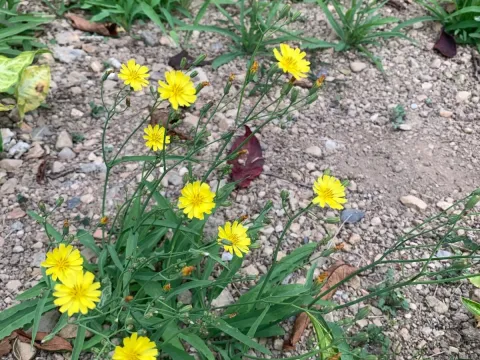
Ixeris
Ixeris (Cass.) Cass.
Sowing Ixeris is best performed in early spring when soil temperatures reach 8-10 degrees Celsius, ensuring optimal conditions for seedling emergence.
What the section contains


Ixeris
Winter sowing is also an option, allowing seeds to naturally stratify and emerge early during the subsequent growing season for an earlier harvest.
Seeds should be sown at a shallow depth of 1-2 centimeters, as they require sufficient contact with the soil to initiate the germination process.
Row spacing should be maintained between 30 and 45 centimeters to allow for adequate airflow and ease of manual or mechanical weeding.
Applying a light layer of substrate over the seeds helps maintain moisture, which is critical during the delicate early stages of development.
Ixeris is a genus of plants in the Asteraceae family, originating from East Asian regions, where it has been traditionally used in various ways.
The plant thrives in well-drained, fertile soils, preferring a neutral pH balance to maximize its uptake of essential nutrients for vigorous growth.
It requires consistent access to sunlight to develop high-quality foliage, although it can tolerate partial shade in hotter climates to prevent wilting.
Adequate soil moisture is necessary throughout the growing season, though the plant is sensitive to waterlogged conditions that can cause root decay.
Proper management of nutrients, particularly nitrogen, is essential for promoting lush leaf production, which is the primary goal of commercial cultivation.
The yield of Ixeris is heavily dependent on the management practices, including irrigation frequency and the timing of harvest operations.
Under favorable conditions, multiple cuts can be harvested within a single season, as the plant possesses strong regenerative capabilities after being cut.
Productivity is highest when the plant is harvested in its vegetative stage, before the development of flowering stalks, which reduces leaf quality.
Effective weed control is a significant factor in yield maximization, as competition for light and nutrients can severely stunt growth.
Optimizing planting density per hectare helps to achieve a balanced yield, ensuring each plant has sufficient space to grow to its full potential.
Fungal pathogens such as powdery mildew represent a common threat to Ixeris, especially in high-humidity environments or stagnant air conditions.
Root rot is a persistent issue in soils with poor drainage, making soil preparation a foundational aspect of plant health and disease management.
Pests such as aphids are frequently observed, as they feed on the tender sap of the leaves and can spread viral infections throughout the crop.
Integrated pest management strategies are recommended, focusing on early detection and the use of biological control agents where possible.
Crop rotation practices should be strictly followed to minimize the buildup of soil-borne pathogens that target the Asteraceae family.
Harvesting is ideally timed when the plants form a dense leaf rosette, as this provides the highest yield of tender, flavorful greens.
Mechanical harvesting involves cutting the plants at a specific height, leaving sufficient stubble to facilitate rapid regrowth for the next harvest.
Post-harvest handling is critical, requiring immediate cooling and protection from exposure to prevent the foliage from losing its turgidity.
For those harvesting seeds, the process is delayed until the seed heads turn brown, requiring careful handling to prevent pre-harvest loss.
Proper storage in refrigerated conditions ensures the longevity of the harvested material, maintaining both quality and nutritional value.