
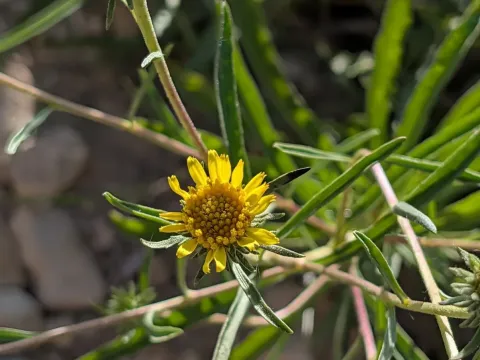
Jasonia
Jasonia
Jasonia is a genus of perennial herbaceous plants belonging to the Asteraceae family. These plants are characterized by their distinct golden-yellow daisy-like flowers and are typically found in arid, rocky environments throughout the Mediterranean and Western Asia.
What the section contains

Jasonia
The plant has evolved to thrive in harsh climates characterized by intense sunlight and limited water availability. Consequently, Jasonia is highly drought-tolerant and requires well-drained, sandy or stony soils to remain healthy and productive.
For successful cultivation, agriculturalists should prioritize full sun exposure and minimal soil enrichment. The plant does not respond well to heavy fertilization, which can promote excessive vegetative growth at the expense of floral development and essential oil production.
Soil pH should ideally be neutral or slightly alkaline. Over-irrigation is the most common cause of failure in Jasonia cultivation, as the root system is highly susceptible to rot when exposed to stagnant water or low-oxygen soil conditions.
Economically, Jasonia is valued for its potential in medicinal and aromatic industries. The presence of secondary metabolites, such as flavonoids and various essential oils, makes it a subject of interest for both traditional herbalism and modern botanical research.
The most significant threats to Jasonia are fungal pathogens, specifically those causing root rot and damping-off. These diseases are almost exclusively linked to improper irrigation practices and poor soil aeration.
Pest management is generally straightforward but requires attention during the vegetative stage. Aphids are the most common pests that colonize tender stems and floral buds, potentially reducing the overall quality of the harvested material.
In hot, dry summers, spider mites can become an issue, especially if the plants are already under stress from drought or nutrient imbalance. Regular scouting is essential to identify early infestations before they spread across the field.
Cultural control measures, such as proper spacing to facilitate airflow and rigorous weed management, are far more effective than chemical intervention for this crop. Maintaining a clean field environment reduces the likelihood of both disease outbreaks and pest colonization.
Harvesting should be conducted during dry weather conditions to prevent post-harvest mold contamination. Ensuring that the harvested biomass is dried quickly and stored in well-ventilated conditions is critical to maintaining its pharmacological efficacy.