
Jaegeria hirta
Jaegeria hirta
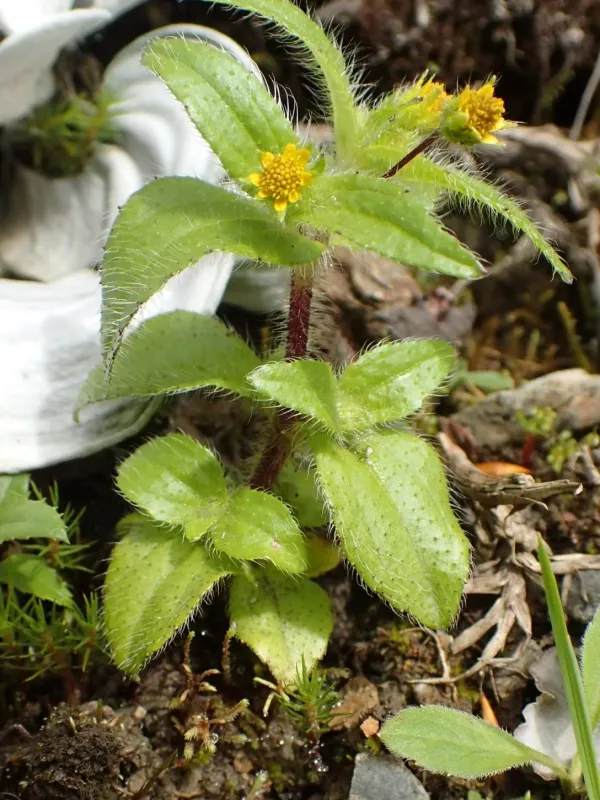
Description
Sowing dates
Seeds should be sown indoors 6 to 8 weeks before the last expected frost date. Use a high-quality seed starting mix, spreading the seeds lightly and pressing them gently into the substrate without covering them too deeply, as they require light to germinate.
Maintaining a constant temperature of 21°C is crucial for successful germination. Once the seedlings develop their true leaves, they should be transplanted to individual pots to encourage stronger root growth before moving them to their permanent location.
Growing requirements
Jaegeria hirta is a distinct herbaceous annual belonging to the Asteraceae family. Native to the mountainous regions of Central America, specifically Mexico, this plant has adapted to humid environments, making it a popular choice for specific landscaping applications.
Botanically, it is characterized by its branching stems covered with fine hairs, which gives the plant a textured appearance. The foliage consists of opposite, serrated leaves, creating a dense and vibrant green mound that remains attractive throughout the growing season.
The plant thrives in fertile, well-draining soil with a neutral pH. It requires consistent sunlight for optimal flowering, but in regions with intense summer heat, light afternoon shade is recommended to prevent leaf scorch and maintain plant vigor.
Water management is critical for Jaegeria hirta; the soil should be kept consistently moist but never waterlogged. Poor drainage can quickly lead to root health issues, making the use of porous growing media essential for container gardening.
This crop is primarily utilized for ornamental purposes. Its spreading habit makes it an excellent candidate for hanging baskets, ground cover in rock gardens, or as a filler plant in decorative floral arrangements where a soft, verdant look is desired.
Main diseases and pests
The primary threats to this species include fungal pathogens like damping-off, which often affects young seedlings in cool, damp conditions. Ensuring proper air circulation and avoiding overhead irrigation can significantly reduce the risk of such infections.
Pest management should focus on aphids and spider mites, which can proliferate quickly in dry or poorly ventilated spaces. Integrated pest management strategies, including the use of neem oil or insecticidal soaps, are generally effective in managing these outbreaks.