
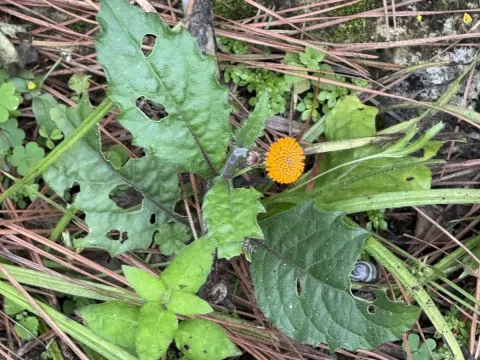
Winged crownbeard
Verbesina alata
The sowing of Winged crownbeard seeds should take place in early spring after the risk of frost has completely passed. The soil must be warm and well-prepared to ensure optimal germination rates.
What the section contains
Winged crownbeard
For a head start on the season, gardeners often prefer starting seeds indoors in late winter. This ensures stronger plants that are ready for transplanting as soon as the weather stabilizes.
Seeds should be sown shallowly into a moist, well-draining seed starting mix. Keeping the surface consistently moist but not waterlogged is essential for successful sprouting.
Once true leaves appear, seedlings should be thinned out or transplanted into individual pots. Providing adequate space prevents stunted growth and promotes better root development.
When moving plants outdoors, gradually acclimatize them to the elements. Spacing the plants adequately is vital to avoid overcrowding and to allow for mature expansion of the stems.
Verbesina alata thrives in full sun exposure. While it may tolerate partial shade, it performs best when receiving at least six to eight hours of direct sunlight daily.
The plant performs well in a variety of soil types, provided they are rich in organic matter. A well-draining substrate is preferred to prevent water stagnation around the base.
Watering needs are moderate. While the plant can withstand occasional dry spells, consistent moisture levels during the peak growing season result in more robust floral displays.
Fertilization with a balanced, slow-release fertilizer can support the plant throughout the summer months. Avoid excessive nitrogen, which can lead to lush foliage but fewer flowers.
Maintaining air circulation is a key requirement. Planting in areas with good airflow helps reduce the humidity around the foliage and minimizes the risk of various infections.
Powdery mildew is the most common fungal issue for this species. It manifests as a white, dusty coating on the leaves, typically appearing during high humidity or stagnant air conditions.
Root rot occurs if the plant is situated in heavy, waterlogged soil. Ensuring a proper drainage system is the primary preventative measure for this potentially fatal condition.
Aphids can be a significant pest, particularly in the spring when new growth is tender. Their feeding activity can cause leaf curling and spread viral diseases among the plants.
Spider mites are another potential threat during periods of extreme heat. These pests suck nutrients from the leaves, causing stippling and eventual leaf drop if left unmanaged.
Regular monitoring of the plants and prompt intervention with insecticidal soaps or neem oil can effectively manage most pest populations without harming the surrounding environment.