
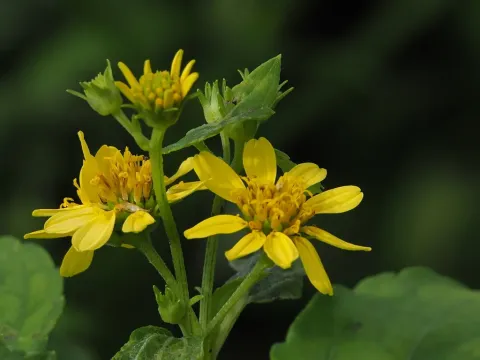
Wollastonia
Wollastonia
Sowing Wollastonia seeds should be carefully timed to follow the last spring frost. The soil needs to be sufficiently warm, ideally reaching temperatures of 15-18 degrees Celsius, to ensure rapid and uniform germination of the seeds.
What the section contains


Wollastonia
For those living in regions with shorter growing seasons, starting seeds indoors in trays 6-8 weeks before the frost date is a recommended strategy. This allows the plants to develop a sturdy root system before being hardened off and transplanted.
When sowing directly into the field, place seeds at a shallow depth of 1-1.5 centimeters. It is crucial to maintain consistent soil moisture during the germination phase to ensure the seedlings emerge successfully without struggle.
Maintaining adequate space between plants is essential for promoting healthy growth. A spacing of 30-40 centimeters between individual plants is generally advised to ensure good airflow and minimize the humidity buildup around the foliage.
Once seedlings are established, thin out weaker plants to reduce competition for nutrients and sunlight. This practice is vital for producing strong, resilient plants capable of sustaining long-term growth and flowering.
Wollastonia belongs to the Asteraceae family and is recognized as a hardy herbaceous plant. Originating primarily from tropical habitats, it is often found in coastal regions, thriving in diverse environmental conditions.
The plant requires full sun exposure to flourish and maintain its decorative appeal. Insufficient light levels will lead to leggy, weak stems and significantly reduced flower production throughout the growing season.
Well-drained soil is non-negotiable for Wollastonia. While it is adaptable to various soil textures, it performs best in loamy substrates that allow for proper root aeration and prevent water from accumulating around the base of the plant.
Watering should be balanced; while the plant appreciates moisture, it cannot tolerate waterlogged conditions. Establishing a regular watering schedule that matches the plant’s evaporation needs is the best way to maintain plant vigor.
As a tropical-origin plant, Wollastonia demands warm temperatures. Exposure to cold winds or temperatures below the tolerance threshold will cause stress, leading to immediate yellowing or wilting of the leaves and stems.
Common plant diseases affecting Wollastonia are mostly fungal in nature, often appearing after periods of high rainfall or poor drainage. Root rots represent a significant threat to established crops in heavy, compacted soils.
Powdery mildew is another prevalent issue, appearing as a whitish coating on leaves. This is most common in crowded plantings where the humidity levels rise and air movement is obstructed, necessitating better spacing.
Pests such as aphids and spider mites can cause substantial damage by feeding on cell sap. These pests typically cluster on the undersides of leaves, causing distorted growth, stippling, and a general decline in the plant's health.
Integrated pest management is the most effective approach to handling these threats. This includes monitoring for early signs of infestation and applying targeted, biological control agents to keep pest populations at bay.
Maintaining good sanitation is essential for disease prevention. Removing dead or infected foliage and keeping the area around the plants free from weeds helps minimize the spread of pathogens and disrupts the life cycle of common garden pests.