
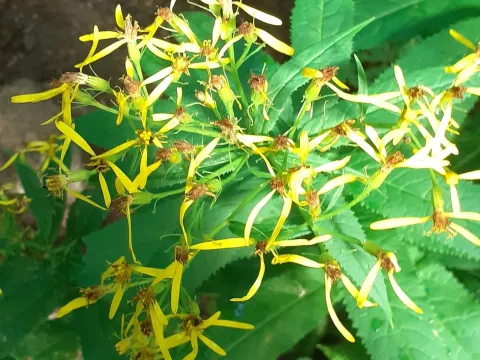
Wood ragwort
Senecio ovatus
Wood ragwort (Senecio ovatus) is a perennial herbaceous plant belonging to the Asteraceae family. It is typically found in European forest margins, clearings, and moist mountain habitats, reflecting its preference for high-humus soils.
What the section contains
Wood ragwort
The plant thrives in well-drained, fertile, and slightly acidic loam soils. Adequate soil moisture is essential for its development, especially during the active growth phase in early summer.
Senecio ovatus requires a moderate climate. While it demonstrates decent winter hardiness, it benefits from a protective snow cover or light organic mulching in regions with severe, frost-heavy winters.
Successful cultivation requires consistent weeding and soil aeration. Keeping the space between rows clear of competing weeds is vital for the establishment of the plants, particularly in the initial growing season.
Strategic fertilization with nitrogen-based compounds during the spring supports the development of the foliage, which is the primary part utilized in various agricultural and pharmaceutical applications.
The crop is susceptible to fungal diseases, including powdery mildew and rust. These issues are most prevalent in areas with high humidity, stagnant air, or overcrowded planting patterns.
Pest pressure is primarily caused by beetles and various moth larvae. These pests can rapidly defoliate the plants, leading to a significant reduction in overall yield and quality.
Root rot is a significant risk factor, particularly when plants are grown in heavy or poorly draining soils. Proper irrigation management is critical to prevent waterlogging.
To manage threats effectively, integrated pest management practices should be followed, prioritizing early detection, proper crop rotation, and the removal of infected plant debris.
If chemical or biological intervention is required, it must be applied in accordance with sustainable agricultural guidelines to maintain the medicinal integrity of the harvested material.