
Tarlmounia elliptica
Tarlmounia elliptica
Description
Growing requirements
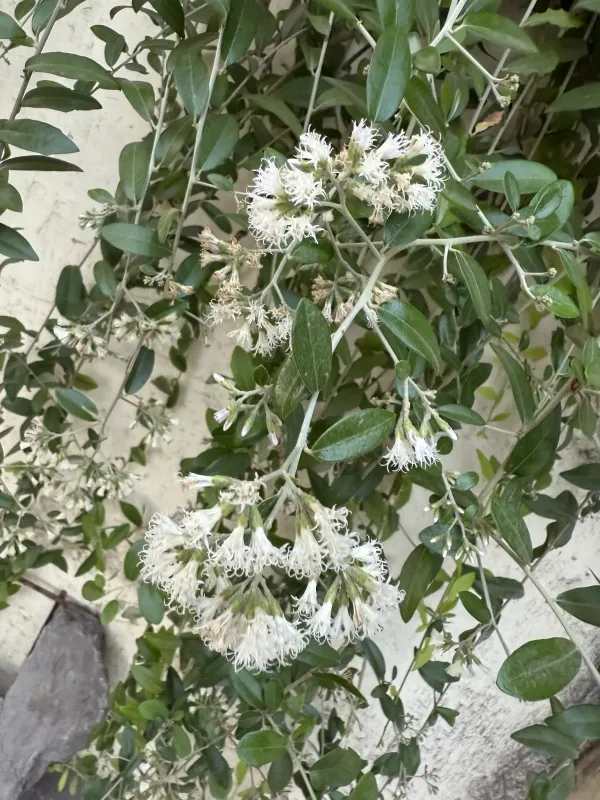
Tarlmounia elliptica is a perennial herb belonging to the Asteraceae family. Botanically, it is known for its distinct elliptical foliage and systematic structural growth, which was historically classified under the genus Vernonia.
Originating from the tropical regions of Southeast Asia, this species thrives in environments characterized by high humidity and consistent temperatures. It requires a stable climate to maintain its biological cycle throughout the year.
When cultivating this species, soil selection is paramount. The ideal substrate is a nutrient-rich, well-draining loam that facilitates rapid root establishment while preventing moisture stagnation, which is critical for preventing root rot.
Environmental requirements include a semi-shaded to sunny location, depending on the specific light intensity of the region. Proper exposure ensures that the plant develops healthy foliage and strong stems suitable for its typical development.
Management techniques involve regular watering schedules and the application of fertilizers high in trace elements. Consistent monitoring of soil moisture ensures that the plant remains vigorous and resilient against environmental fluctuations.
Main diseases and pests
Common botanical threats include pathogenic fungi that exploit high humidity levels. Root rot and leaf spots are the most frequently observed diseases that can compromise the structural integrity of Tarlmounia elliptica.
Insect pests such as aphids and spider mites are prevalent in environments where proper sanitation is lacking. These pests thrive on tender leaves and can quickly stunt the overall growth of the plant if left untreated.
Integrated Pest Management (IPM) is the recommended approach for maintaining healthy populations. This involves periodic scouting for signs of infestations and the immediate removal of damaged plant parts to curb spread.
Chemical control should be applied judiciously, utilizing agents that target specific physiological stages of the pests while minimizing impact on the local ecosystem and the health of the host plant.
Maintaining air circulation within the growing area is essential. By ensuring adequate spacing between plants, growers can significantly reduce the risk of humidity-induced disease and provide a less hospitable environment for pests.