
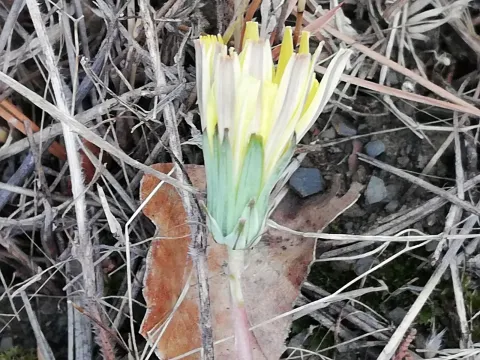
Crimean-sagyz
Taraxacum hybernum
Crimean-sagyz (Taraxacum hybernum) is a perennial herbaceous plant belonging to the Asteraceae family. Originally identified in the Crimean Peninsula, it gained historical interest as a potential domestic source of natural rubber during the 20th century.
What the section contains
Crimean-sagyz
The plant is characterized by a deep, fleshy taproot where it stores latex. Unlike common dandelion species, Crimean-sagyz is specifically adapted to climatic conditions where it can maintain physiological activity during milder winter periods.
When cultivating this crop, sowing should be timed to allow for natural seed stratification, which is crucial for uniform germination. In most temperate regions, late autumn sowing is the preferred method to prepare the seeds for spring growth.
The planting depth must be kept shallow, typically not exceeding 1 centimeter. Because the seeds are small and fragile, ensuring they are placed in firm contact with the soil is essential for achieving an optimal plant population density.
Successful establishment of the crop requires careful field preparation to eliminate existing weeds. Since the initial growth phase of the seedlings is slow, competitive pressure from weeds can significantly impede the development of the young plants.
Crimean-sagyz thrives in light, well-drained, and carbonate-rich soils. Compacted or waterlogged soils are unsuitable for this crop, as they frequently lead to root system decay and poor plant health.
The plant is highly responsive to sunlight; therefore, fields must be located in open areas without shading. Insufficient light exposure will hinder the synthesis of latex and decrease the overall productivity of the root system.
Regarding fertilization, the crop shows a strong preference for phosphorus and potassium inputs. These nutrients play a vital role in stimulating root development and enhancing the biochemical processes necessary for rubber production.
Moisture management is a critical aspect of Crimean-sagyz cultivation. While the plant possesses moderate drought tolerance, adequate moisture during the vegetative growth period is necessary to build significant root biomass.
Crop rotation practices should be strictly observed to maintain soil health. Rotating with grains or vegetables that allow for deep tillage helps in preparing the soil structure required for the successful expansion of the taproots.
The primary threats to Crimean-sagyz are soil-dwelling pests, most notably wireworms and larvae of various scarab beetles. These pests feed on the taproots, often causing fatal damage that leads to crop loss.
Root rots caused by fungal pathogens are also major concerns, especially in conditions with poor drainage or excessive humidity. Once infected, the plant is difficult to save, making prevention the best management strategy.
Insects like aphids can occasionally cause problems by feeding on the leaf rosettes. While not always fatal, heavy infestations can weaken the plant and reduce its ability to accumulate energy for root storage.
Integrated pest management, including precise chemical application only when thresholds are exceeded, is recommended. The goal is to protect the root system, which is the only part of the plant with economic value.
Good agricultural practices, including cleaning fields of crop residues and maintaining optimal soil aeration, remain the most effective tools to suppress disease outbreaks and keep the plantation healthy.
Harvesting usually takes place during the second or third year of the plant's life cycle. Waiting until the root is fully mature is essential to ensure that the latex content has reached its peak concentration.
Mechanical harvesting involves digging up the root system using specialized machinery. It is critical to adjust the equipment to reach the full depth of the roots while minimizing the chances of breaking or damaging the storage tissues.
Immediately after harvest, the roots should be cleaned from soil and transported to processing facilities. Proper drying and cleaning prevent the degradation of raw material quality before it reaches the extraction stage.
The processing of the harvested roots typically involves grinding and centrifugal separation to extract the rubber-containing latex. This process is complex and requires specialized industrial equipment to be efficient.
The optimal harvest window is during periods of moderate soil moisture. If the soil is too dry, it can damage the roots during extraction, and if it is too wet, it increases the logistical challenge of cleaning and processing the raw material.