
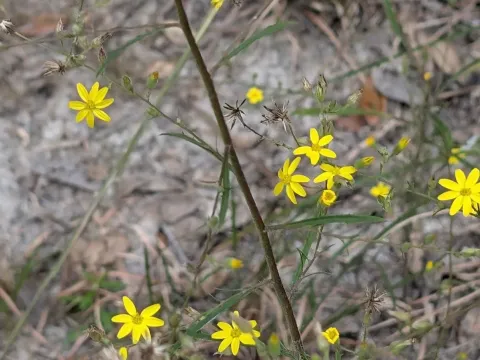
Croptilon
Croptilon
Croptilon is a genus of flowering plants belonging to the Asteraceae family. When introducing it into agricultural or garden use, it is essential to prepare the soil thoroughly, ensuring it is fine-textured to accommodate the small seeds.
What the section contains


Croptilon
Sowing should ideally take place in early spring after the last frost has passed and the soil has reached an optimal temperature of approximately 10 to 12 degrees Celsius. Ensuring proper moisture levels during the germination phase is critical for successful emergence.
The seeds require surface sowing or very light soil coverage, as they respond positively to light exposure during the initial stages of germination. Deep planting is discouraged as it often inhibits the development of the primary radicle.
For large-scale cultivation, a row spacing of 30 to 45 centimeters is recommended to allow for healthy development of the plant's bushy canopy. This spacing also facilitates easier mechanical or manual weeding in the early stages.
Seed quality is paramount; ensure that the planting material is sourced from reputable suppliers to guarantee high germination rates and the uniformity of the future plant stand.
Native to North America, Croptilon is naturally adapted to diverse climates, showing excellent resilience to drought and heat. It thrives best in environments that mimic its natural open prairie habitat, prioritizing high solar radiation.
The plant requires well-drained, porous soil to prevent water accumulation at the roots. Sandy loam or gravelly soil types are generally preferred, as they mimic the natural drainage of their native ecological niches.
Soil pH should ideally be kept within the neutral range, between 6.5 and 7.5. While the plant can tolerate nutrient-poor soils, modest fertilization with a focus on potassium helps enhance stem strength and overall plant health.
Consistent aeration is vital for the rhizosphere. Periodic shallow cultivation of the topsoil helps break crusts formed by rain, ensuring that oxygen reaches the root system, which significantly boosts metabolic activity.
In terms of moisture management, this crop is classified as low-to-moderate in water demand once established. It is significantly more drought-tolerant than most traditional agricultural crops, making it suitable for water-scarce regions.
Pest pressure on Croptilon is generally moderate, with aphids and certain coleopteran species being the most common threats. Monitoring the leaf underside and bud clusters during early spring is essential for timely detection.
Fungal pathogens such as powdery mildew may appear during periods of high humidity or poor air circulation. To manage this, ensure adequate spacing between plants to promote rapid drying of foliage after irrigation or rainfall.
Integrated Pest Management (IPM) practices should be followed, prioritizing cultural controls such as crop rotation and the physical removal of infected biomass at the end of the season to reduce inoculum carryover.
Biological control agents, including predatory insects, are effective in maintaining pest populations below economic thresholds. Chemical interventions should be used only as a last resort to minimize ecological impact.
Maintaining soil health through organic amendments can strengthen the plant's natural defense systems, making it less susceptible to common agricultural diseases.