
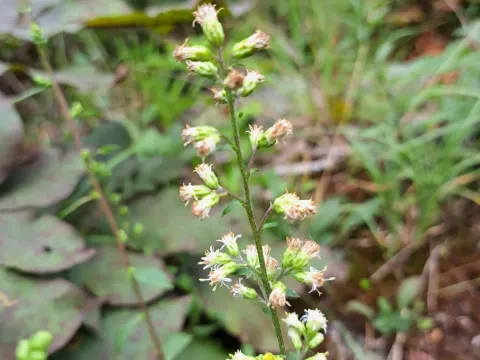
Silverrod
Solidago bicolor
Solidago bicolor, commonly known as silverrod, is propagated primarily through seeds, which should be sown in late autumn or early spring to mimic natural conditions. The seeds require a period of cold stratification to break dormancy and ensure uniform germination.
What the section contains
Silverrod
When starting seeds indoors, they should be sown in a high-quality, sterile growing medium during late winter. Keep the tray at a consistent temperature of around 20 degrees Celsius and maintain high surface moisture until sprouts emerge.
Seedlings are sensitive to transplant shock; therefore, it is advisable to use individual peat pots. This approach protects the delicate root system when the time comes to transfer the plants into the field or garden bed.
Direct sowing in the garden should be done in prepared soil beds that have been raked to a fine tilth. The seeds are very small, so they should be covered only lightly with soil or pressed firmly into the surface to maintain contact.
Optimal spacing is essential for plant health. Planting them approximately 30–45 cm apart allows for sufficient air circulation, which is vital for preventing fungal diseases in the humid late summer season.
Solidago bicolor belongs to the Asteraceae family and is native to North America. It is a unique species characterized by its creamy white to pale yellow flowers, distinguishing it from the typical yellow-flowered goldenrods found in fields and meadows.
This species thrives in well-drained, average-quality soil but can adapt to various conditions including sandy or loamy textures. While it prefers neutral to slightly acidic pH levels, it is generally considered a hardy and versatile plant.
Sunlight requirements are moderate to full sun. While silverrod can tolerate partial shade, maximum flowering intensity and overall vigor are achieved when the plant receives at least six hours of direct sunlight daily.
Watering should be balanced. Despite being relatively drought-tolerant once established, providing consistent moisture during the initial growing stages will result in much stronger, healthier plants capable of surviving winter dormancy.
Maintenance involves cutting back the spent flower stalks in late autumn or early spring to promote fresh growth. Fertilization is generally minimal, as excessive nutrients can cause the plants to become leggy and prone to lodging.
Powdery mildew is the most common threat to Solidago species, often appearing in late summer if humidity levels are high. Proper site selection and avoiding over-head irrigation can significantly reduce the incidence of this fungus.
Rust diseases can also manifest on the foliage, characterized by rusty brown spots. If detected, infected foliage should be pruned and removed immediately to limit the spread of fungal spores to neighboring plants.
Aphids represent the primary insect pest, often clustering on the tender buds of the plant. If infestation occurs, a steady stream of water or insecticidal soap is typically sufficient to bring populations back under control.
Root rot occurs in poorly drained soils where water remains stagnant for extended periods. This is a critical issue that can be mitigated through soil amendments like sand or organic matter to improve drainage before planting.
To ensure long-term plant health, monitoring for any signs of leaf discoloration or wilting is recommended throughout the growing season. Integrated pest management practices, including encouraging beneficial insects, are highly recommended for large-scale cultivation.