
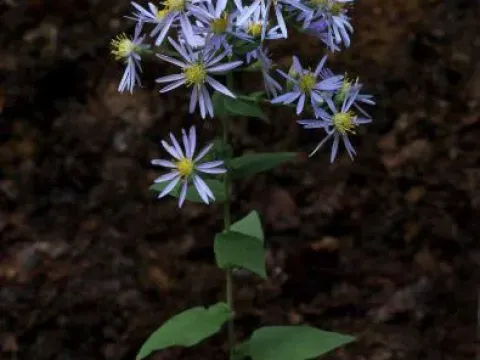
Wavyleaf aster
Symphyotrichum undulatum
Wavyleaf aster (Symphyotrichum undulatum) can be propagated effectively through seeds or by dividing mature clumps. Sowing seeds outdoors during the autumn allows for a natural period of cold stratification, which significantly improves germination rates in the following spring.
What the section contains
Wavyleaf aster
If starting seeds indoors, sow them in late winter or early spring using a well-draining seed-starting mix. Maintain temperatures around 18–20 degrees Celsius. Once the risk of frost has passed, transplant the seedlings into their permanent outdoor locations with proper spacing.
Vegetative propagation via division is best performed in early spring as new growth emerges. Carefully lift the root mass and divide it into smaller sections, each containing healthy buds, then replant immediately to prevent roots from drying out.
When sowing, cover the seeds only lightly with soil, as they require a small amount of light to trigger germination. Keep the soil surface consistently moist but not waterlogged until the first true leaves have developed.
Proper spacing is crucial for healthy plant development. Ideally, place individual plants about 50 cm apart to allow for airflow, which reduces the incidence of fungal pathogens and ensures each plant receives adequate nutrients and light.
A member of the Asteraceae family, the wavyleaf aster is native to dry, open woodlands and thickets of North America. It is a highly adaptable species that thrives in full sun but also performs well in partial shade environments.
The plant is not overly demanding regarding soil composition, preferring sandy or loamy soils that offer excellent drainage. It performs best in soils with a slightly acidic to neutral pH level, mimicking its natural woodland habitat.
One of the key benefits of this plant is its notable drought tolerance once established. While it can handle dry spells, periodic irrigation during the peak of summer will help maintain lush foliage and promote a more prolific bloom display in autumn.
Good soil drainage is essential for longevity, especially in wetter climates. Excess water trapped around the crown can lead to root rot. If planting in heavy clay soils, incorporating organic matter or grit will improve the drainage and oxygen access for the roots.
Wavyleaf aster is winter-hardy and does not require special protection in most temperate zones. It is accustomed to the seasonal fluctuations common in its native range, making it a reliable and low-maintenance choice for perennial borders.
Wavyleaf aster is primarily grown for its ornamental value in landscape design. When harvesting for floral arrangements, cut the stems when the buds are just beginning to show color; this ensures a longer vase life for the cut flowers.
At the end of the growing season, typically late autumn after flowering has ceased, it is standard practice to cut the plant back to the ground. This cleanup process helps tidy the garden and directs energy back into the root system for winter survival.
Commercial producers harvest in the cool morning hours to maximize moisture content in the stems. Keeping the cut stems out of direct sunlight and in a cool environment immediately after harvesting is critical for preserving their freshness during transport.
Dried inflorescences can be used in autumn-themed dried flower crafts. Alternatively, leaving the dried heads on the plants provides important late-season food for birds and beneficial insects, contributing to the biodiversity of the garden.
Seed collection is most successful when the flower heads become fluffy and dry. Harvest the seeds on a clear, dry day and store them in a cool, dark, and dry place to ensure they remain viable until the next planting season.
Fungal issues, particularly powdery mildew, are common during periods of high humidity and poor air circulation. Improving airflow through thinning and keeping the site clear of debris are effective strategies to mitigate these risks.
Rust diseases can occasionally appear on the leaves. If an outbreak occurs, treat the affected plants with copper-based fungicides early in the season to prevent the infection from spreading throughout the entire cluster.
Aphids and spider mites are the most common insect pests. These pests feed on the succulent new growth and can stunt the plant's development. Regular inspection and the use of insecticidal soaps or neem oil can help manage these infestations effectively.
Slugs and snails can cause mechanical damage to the foliage, especially in damp conditions. Utilizing physical barriers such as copper tape or applying organic molluscicides around the base of the plant can provide adequate protection.
Root-knot nematodes can occasionally cause problems, leading to weakened plant vigor. To prevent potential infestations, ensure that new plants are sourced from reputable nurseries and avoid planting in sites where other susceptible Asteraceae species have previously struggled.