
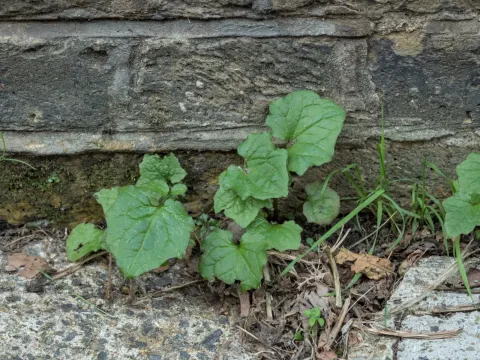
Wall lettuce
Lactuca muralis
Wall lettuce, scientifically known as Lactuca muralis, is a perennial herbaceous plant belonging to the Asteraceae family. It is typically found in shady, woodland habitats, where it plays a role in the local ecosystem as a natural component of the forest floor flora.
What the section contains
Wall lettuce
The seeds of this plant are dispersed by the wind, facilitated by a feathery pappus. In a cultivated setting, seeds should be sown in the autumn to benefit from natural stratification over the winter, which significantly improves germination rates in the spring.
The optimal germination temperature ranges from 10 to 15 degrees Celsius. Seeds should be sown shallowly, as they require light to germinate effectively, mirroring their natural habit of sprouting in forest gaps where light penetrates the canopy.
For best results, maintain a spacing of at least 20–30 centimeters between individual plants. This allows for sufficient leaf area development and ensures that each plant has enough nutrients and space for root expansion during its first year of growth.
Early season cultivation requires a clean seedbed free of aggressive competing weeds. Once established, the plant is quite vigorous, but initial care during the seedling stage is essential for successful establishment in the garden.
As a forest-dwelling species, wall lettuce has a high tolerance for shade. It is an ideal plant for garden areas with low light levels, such as under the canopy of trees or along the north-facing sides of buildings where sun-loving crops would fail.
The soil requirements focus on moisture retention and fertility. A loamy, humus-rich soil is perfect for the plant, as it mimics the natural forest soil. The pH levels should ideally be neutral or slightly acidic to promote maximum nutrient uptake.
Watering is a critical management practice, especially during the peak of the growing season. The plant thrives when the soil is kept consistently moist but not waterlogged. Dry conditions trigger a premature shift to the reproductive phase.
Temperature management is largely passive, as the plant prefers cool climates. Protecting the root zone with a light mulch can help regulate soil temperature and retain moisture, effectively buffering the plant against extreme summer heat.
Air circulation is vital even in shaded environments. While the plant prefers quiet spots, stagnant air can lead to high local humidity, which promotes fungal growth. A balanced site selection is key to maintaining a healthy and productive crop.
Wall lettuce is susceptible to common fungal pathogens including downy mildew and leaf spot diseases. These are most problematic when humidity levels rise and air movement around the plants is obstructed, creating a favorable environment for fungal spores.
Slugs and snails are the most prominent pests, particularly in damp and shady garden conditions. These mollusks feed on the tender leaves, often causing substantial damage and leaving the plants vulnerable to secondary bacterial or viral infections.
Aphid infestations are also a common issue, as these insects tend to colonize the succulent stems and underside of the leaves. Beyond direct feeding damage, aphids can serve as vectors for various plant viruses, compromising the overall crop quality.
Root system health is challenged by poor drainage or overly dense soil conditions. Waterlogging often results in root rot, which is manifested by yellowing foliage, wilting of the rosette, and eventually the death of the entire plant structure.
Effective management includes regular monitoring of leaf surfaces and keeping the surrounding ground clean of debris. Integrated pest management strategies should prioritize physical barriers against slugs and biological control methods for aphid management.