
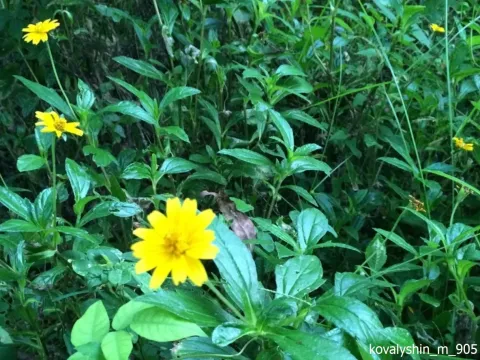
Wedelia gracilis
Wedelia gracilis
Propagation of Wedelia gracilis is most efficiently achieved through stem cuttings, which ensure quick rooting and maintenance of the species' vigorous growth characteristics.
What the section contains
Wedelia gracilis
The ideal planting time starts in spring when soil temperatures stabilize, ensuring that the cuttings have enough time to establish themselves before the peak of the growing season.
When sowing seeds, it is recommended to use controlled greenhouse environments to maintain the necessary heat and light levels for uniform germination.
Proper spacing is crucial during installation to allow the plant to spread effectively, as it acts as a dense ground cover that suppresses competing vegetation.
Post-planting care involves initial supplemental irrigation to ensure the root system is established, followed by a transition to standard maintenance cycles.
Wedelia gracilis belongs to the Asteraceae family and is recognized for its adaptive nature, making it a popular choice for low-maintenance landscaping.
This plant thrives in full sun exposure but is capable of surviving in partial shade, providing versatility in various garden configurations.
Soil requirements are relatively modest; however, the plant performs best in well-draining soils that prevent excessive moisture accumulation around the base.
Temperature sensitivity is a key factor; as a tropical-origin plant, it requires protection from frost and performs poorly in environments with freezing conditions.
Regular fertilization with balanced NPK formulas supports the high vegetative growth rate typical of this species during the warmer months of the year.
The primary threats to Wedelia gracilis include fungal pathogens that emerge during prolonged periods of high humidity or poor soil aeration.
Insect pests such as aphids and leaf-chewing larvae can periodically impact the foliage, necessitating vigilant monitoring during the plant's active growth phases.
Sanitation practices, such as pruning damaged or diseased stems, are highly effective in limiting the spread of common garden infections within the planting area.
Integrated pest management strategies are recommended to maintain the decorative value of the plants without relying solely on intensive chemical applications.
Maintaining proper distance between individuals promotes air circulation, which serves as a natural barrier against the development of most fungal diseases.