
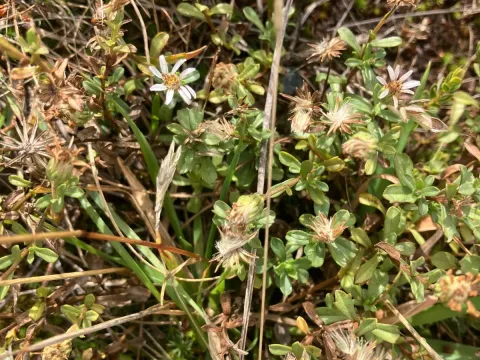
Vittadinia
Vittadinia
Vittadinia is a genus of plants belonging to the Asteraceae family, originating primarily from Australia. These plants are valued for their delicate flowers and adaptability to various environmental conditions.
What the section contains

Vittadinia
The optimal sowing time for Vittadinia is in early spring once the soil temperature is consistently above 12 degrees Celsius. Seeds should be sown on the soil surface, as light is a critical factor for successful germination.
For container-grown plants, a light seed-starting mix is recommended. Maintain a consistent, light moisture level until germination occurs, which usually takes about two to three weeks under favorable conditions.
When transplanting into the landscape, space the plants about 20 to 30 centimeters apart. This spacing is crucial for maintaining proper airflow around the base of the plant, reducing the risk of fungal infections.
In regions with milder climates, late autumn sowing is possible, allowing seeds to experience natural stratification, which often leads to more vigorous growth in the following spring.
Vittadinia species typically require full sun exposure to flourish. These plants are well-adapted to arid and semi-arid environments, making them highly drought-tolerant once established.
The ideal soil for this crop must be well-draining. Sandy or rocky substrates are preferred, as these prevent water from pooling around the root system, which is vital for the plant's long-term health.
Watering should be managed carefully. While they can survive dry spells, supplemental irrigation during extreme droughts will ensure better flower production and overall plant vigor.
Low-fertility soils are often better for this genus than nutrient-rich soils. Excessive fertilization can lead to leggy, weak stems that are less resistant to environmental stresses and wind.
Minimal maintenance is required beyond periodic weeding and the removal of spent flower heads to encourage prolonged blooming throughout the season.
The primary threats to Vittadinia involve moisture-related issues, specifically root rot caused by poor soil drainage. Overwatering is the most common cause of mortality in cultivated crops.
Aphids and spider mites are the most frequent pests that affect this plant. These insects thrive in dry, warm conditions and can quickly colonize the foliage if left unchecked.
Powdery mildew can become an issue in environments with poor air circulation or high relative humidity. Maintaining adequate space between plants is the most effective preventative measure.
Integrative pest management practices, such as encouraging natural predators or using horticultural oils, are preferred over broad-spectrum pesticides to preserve the surrounding ecosystem.
Proper hygiene, such as removing fallen debris and pruning back dead tissue, helps keep the plants healthy and prevents the overwintering of potential pathogens.