
Wedelia acapulcensis
Wedelia acapulcensis
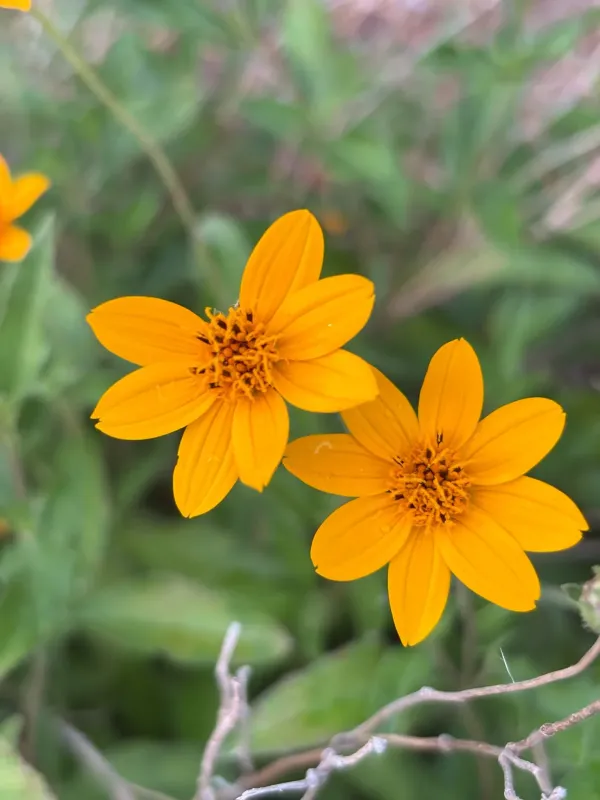
Description
Sowing dates
Sowing of Wedelia acapulcensis seeds should be scheduled for the spring season when the danger of frost has passed. The seeds require stable temperatures of at least 15-20 degrees Celsius to germinate successfully.
Using the seedling method is highly recommended for better control over early growth stages. Sow the seeds in containers filled with a light, nutrient-rich starter mix about two months before the planned transplanting date.
Due to the small size of the seeds, they should be barely covered with soil or vermiculite. Providing sufficient light is a critical factor for the germination process, so avoid burying the seeds too deeply.
Transplanting into the permanent location requires spacing plants approximately 30 to 45 centimeters apart. This ensures sufficient room for the plants to spread and establish a dense, healthy ground cover.
Consistent moisture levels during the establishment phase are essential for root development. Light watering should be performed until the plants exhibit signs of active growth and hardening.
Growing requirements
Wedelia acapulcensis belongs to the Asteraceae family and is recognized as a hardy, vigorous plant in its natural tropical habitat. It thrives in full sunlight, which is necessary for dense growth and prolific flowering.
The plant performs best in well-draining, fertile soils with a neutral or slightly acidic pH balance. Poor drainage is the primary cause of plant failure, especially when grown in containers or low-lying areas where water collects.
While the species exhibits moderate drought tolerance once established, regular irrigation is required for sustained growth. In extreme heat, providing extra water helps maintain the turgidity of the leaves and stems.
Being a tropical-origin plant, Wedelia acapulcensis is highly sensitive to cold temperatures. In non-tropical regions, it is frequently treated as an annual since it cannot survive freezing conditions or frost.
The plant benefits from periodic fertilization with a balanced, slow-release fertilizer during the main growing season. This supports the vigorous vegetative expansion that is characteristic of this species.
Main diseases and pests
Root rot is the most common pathology affecting Wedelia acapulcensis, particularly in heavy soils that hold too much water. Preventive measures include ensuring proper soil drainage and avoiding over-irrigation.
Pests such as aphids and spider mites can colonize the foliage during dry spells. These pests damage the plant by sucking sap, which often leads to stunted growth and reduced decorative value.
Powdery mildew may occur when humidity levels are high and air circulation is restricted. Monitoring for white, powdery spots on the leaves is essential for timely intervention and treatment.
Integrated pest management strategies are recommended to keep the plant population healthy. This includes the use of organic insecticidal soaps for minor infestations and proper spacing to improve airflow.
Early identification of signs of stress is crucial for successful plant management. By maintaining proper cultural practices, such as pruning and correct watering, most common threats can be effectively mitigated.