
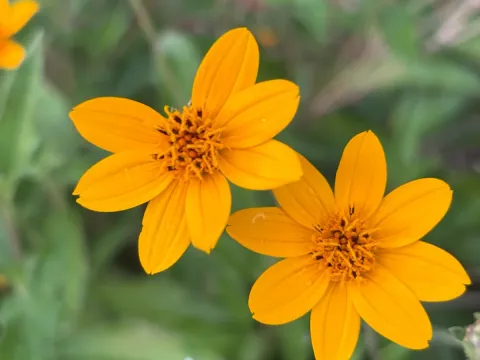
Wedelia hispida
Wedelia hispida
Sowing of Wedelia hispida is best performed in the spring when the soil temperature consistently reaches 18 to 20 degrees Celsius. For optimal results, seeds should be sown in a light, well-draining seed starting mix to ensure proper moisture management.
What the section contains
Wedelia hispida
The seeds require surface sowing or very shallow covering, as exposure to light is crucial for the germination process. Keeping the growing medium moist, but not saturated, is essential for successful seedling emergence during the first two weeks.
Propagation through stem cuttings is a common practice for this species, as it ensures faster establishment in landscape applications. Cuttings should be taken from healthy, non-flowering shoots and placed in rooting hormone before planting in a propagation tray.
When transplanting young plants into the garden, spacing is a vital factor. Placing plants 30 to 45 centimeters apart encourages rapid coverage while allowing sufficient airflow to reach the center of each clump, preventing fungal issues.
Initial establishment period requires consistent watering to ensure deep root development. Once established, the plants demonstrate a high level of vigor and can adapt to various light conditions, provided the soil remains suitable.
Wedelia hispida, a member of the Asteraceae family, is a sun-loving plant that thrives in environments with full exposure to direct sunlight. While it can tolerate partial shade, maximum flowering and density are achieved under optimal solar conditions.
The ideal soil profile for this species is well-drained, sandy loam with moderate fertility. The plant is sensitive to waterlogged conditions, which can lead to root system failure and overall stunted growth during the active growing season.
Temperature management is important, as the plant is sensitive to heavy frosts. In cooler climates, it is often treated as an annual or used in container gardens that can be moved indoors during the winter months for preservation.
Nutrient requirements are modest; however, a balanced NPK fertilizer applied once during the early growing season can significantly boost foliage growth. Over-fertilization, especially with nitrogen, should be avoided to prevent excessive vegetative growth.
Maintenance of soil pH between 6.0 and 7.0 is recommended for nutrient uptake efficiency. Adding organic matter to the soil during the site preparation phase improves moisture retention and soil structure for long-term plant health.
Spider mites are among the most persistent pests for Wedelia hispida, particularly in hot and dry climates. These mites thrive under leaf surfaces and can cause premature yellowing and dropping of leaves if left uncontrolled.
Aphid infestations are also possible during the soft growth phase of the plant. Regular monitoring of terminal buds and leaf undersides allows for early detection and manual removal or the application of insecticidal soaps.
Fungal diseases such as powdery mildew are frequent in areas with poor ventilation or high humidity levels. Improving air circulation around the plants is the primary cultural method for preventing the development and spread of these spores.
Root rot, caused by various pathogens like Phytophthora, usually indicates poor drainage or overwatering. Once root rot occurs, it is difficult to treat, making preventative measures like proper watering cycles strictly necessary.
Integrated pest management strategies should be adopted for larger plantings to maintain aesthetic quality. This includes proper weeding and ensuring that the garden environment is not conducive to harbouring pests that may migrate to the crop.