
Wall lettuce
Mycelis
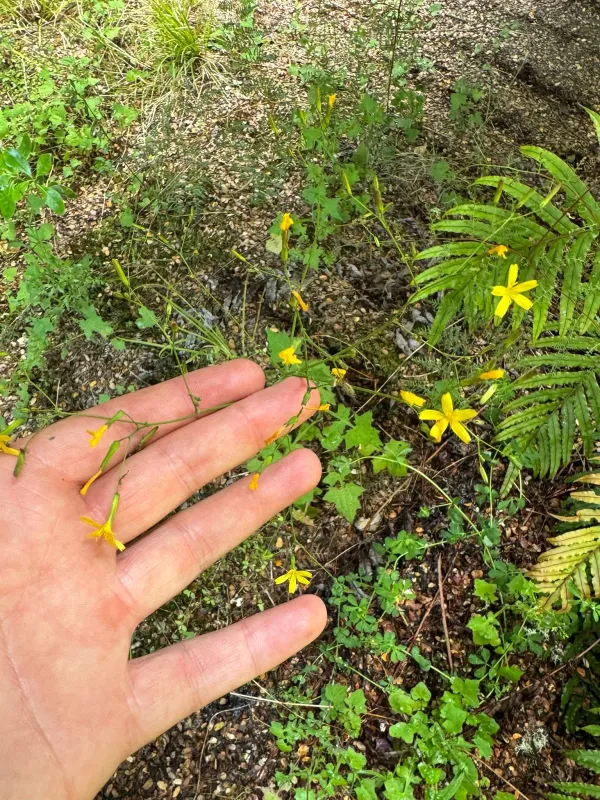
Description
Growing requirements
Wall lettuce (Mycelis muralis) belongs to the Asteraceae family. This perennial herbaceous plant is typically found in temperate forest ecosystems, thriving in shaded environments and areas with stable moisture levels throughout the growing season.
Soil requirements for optimal growth involve a well-draining substrate rich in organic matter. While the plant can adapt to various types of soil, it prefers slightly acidic to neutral pH levels, which mimic the nutrient-dense forest floor environment.
Climate preferences focus on temperate zones where seasonal fluctuations are not extreme. High heat can lead to rapid wilting, whereas cool, damp conditions promote vigorous growth of the rosette foliage and flower stalks.
Agricultural management requires careful moisture control. Irrigation should be applied consistently to prevent the soil from drying out, while avoiding waterlogging that could lead to root decay, as the plant is highly susceptible to hypoxia in saturated soil.
Economic use of Mycelis muralis is primarily as a niche crop. Its leaves are consumed as wild greens, and it serves as a source of nectar for pollinators, enhancing biodiversity within small-scale garden plots or agroforestry systems.
Main diseases and pests
The primary threats to wall lettuce cultivation include powdery mildew and other fungal infections. These pathogens are most prevalent in areas with high humidity and insufficient air movement, requiring regular monitoring and thinning of plantings.
Insect and gastropod pests, specifically slugs and snails, are major threats during the early vegetative stages. These pests can cause significant defoliation, often necessitating the use of physical barriers or organic pest control methods to protect the crop.