
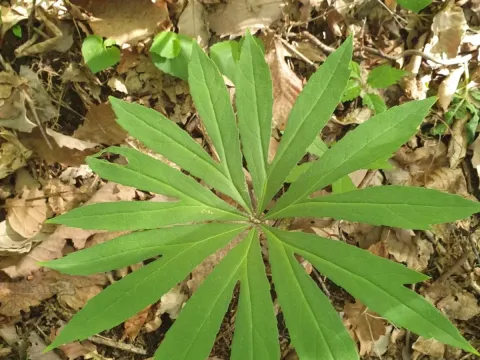
Syneilesis
Syneilesis
Propagating Syneilesis is most successfully achieved through division of the rhizomes, which should be performed in early spring as soon as growth commences.
What the section contains
Syneilesis
For seed propagation, it is essential to subject seeds to a cold stratification period of several weeks to mimic natural conditions and break dormancy before germination.
Seeds can be sown in pots indoors during late winter, ensuring the soil remains consistently moist but not waterlogged to support the development of seedlings.
When transplanting into the garden, ensure that the chosen site provides protection from harsh afternoon winds which could damage the delicate foliage of the plant.
Spacing should be adequate, ideally 45 to 60 centimeters apart, allowing each plant enough room to spread its distinct, umbrella-like leaves in a shaded border.
Syneilesis thrives in partial to full shade, making it an excellent candidate for woodland-style gardens or areas beneath the canopy of deciduous trees.
The soil should be rich in organic matter, slightly acidic to neutral, and possess a loose structure that retains enough moisture without allowing for saturation.
Consistency in watering is key to the health of this species; during hot and dry spells, supplemental irrigation is necessary to maintain the turgidity of the leaves.
Applying a layer of organic mulch, such as leaf mold or compost, is highly recommended to protect the root system and maintain cool soil temperatures throughout summer.
While the plant is generally hardy, mulching in late autumn provides an additional layer of protection against freezing temperatures in more exposed gardening regions.
Slugs and snails are the primary pests of Syneilesis, as they are drawn to the lush foliage, particularly during damp spring and autumn weather conditions.
Root rot caused by stagnant water is a significant threat, often resulting from poor soil drainage or excessive irrigation during periods of low light and heat.
Fungal leaf spot diseases can occasionally occur if air circulation around the foliage is restricted, highlighting the importance of proper spacing in the garden layout.
Regular monitoring of the base of the plant during the early growth season helps to identify and mitigate pest issues before they cause extensive visual damage.
To keep plants healthy, remove any decaying leaves or debris from the area in late autumn to prevent the overwintering of pathogens that could affect new growth.