
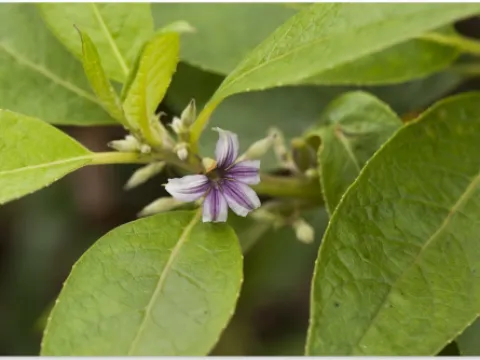
Synedrellopsis
Synedrellopsis
Synedrellopsis is a monotypic genus of flowering plants belonging to the Asteraceae family. It is primarily recognized as a herbaceous weed within agricultural and disturbed environments, particularly in South American territories.
What the section contains
Synedrellopsis
The plant originates from the tropical and subtropical regions of South America, including countries like Argentina and Paraguay. It thrives in open, moist areas, often establishing itself along riparian zones and in agricultural fields where it competes for nutrients.
Its botanical structure typically features branched stems and opposite leaves that are often serrated. The inflorescences are categorized as heads, which are characteristic of the daisy family, providing efficient reproduction through seed dispersal.
Regarding climate requirements, the plant prefers high solar radiation levels and tropical temperatures typically ranging from 22 to 30 degrees Celsius. It exhibits significant resilience in various soil types, provided they are well-drained and retain sufficient humidity.
In terms of agricultural management, controlling this plant is essential to prevent its encroachment on commercial crop land. Due to its rapid growth cycle, it can significantly hinder the development of neighboring crops if not monitored during the early stages of vegetation.
The primary threats to Synedrellopsis include fungal pathogens, such as Rhizoctonia species, which target the root system in waterlogged conditions. Additionally, powdery mildew is frequently observed in dense, poorly ventilated plant stands.
Common insect pests include aphids and whiteflies, which sap nutrients from the plant tissues. Furthermore, beetles can cause substantial mechanical damage to both the foliage and the reproductive organs, reducing the overall spread of the population.