
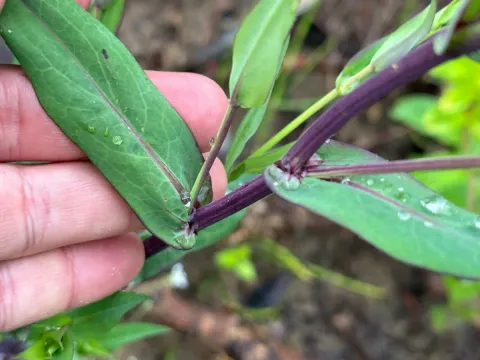
Smooth blue aster
Symphyotrichum laeve
The Smooth blue aster (Symphyotrichum laeve) is a hardy perennial belonging to the Asteraceae family, native to North America. Seed sowing in natural environments often occurs in late autumn, allowing for a natural cold stratification period through winter.
What the section contains
Smooth blue aster
When starting seeds indoors, use a well-draining seed-starting mix in early spring. Maintain temperatures around 20 degrees Celsius to ensure steady germination rates for the small seeds.
Transplanting seedlings outdoors should happen after the threat of spring frost has completely passed. Acclimatizing the plants to outside conditions for several days is crucial for successful establishment.
Division is the most reliable propagation method for maintaining the desired physical characteristics. Digging up the root ball and separating it into smaller sections in early spring promotes vigorous growth.
Spacing plants correctly is essential for air circulation. Generally, placing plants 40 to 60 centimeters apart helps prevent overcrowding and reduces the risk of foliar diseases.
Smooth blue aster thrives in full sun exposure, which is necessary for compact growth and prolific blooming. Partial shade can lead to leggy, weak stems that require additional support.
It adapts to various soil types, including sandy, loamy, and clay soils, provided there is adequate drainage. A neutral or slightly alkaline pH level is ideal for nutrient absorption.
While the species is moderately drought-tolerant once established, providing regular water during extreme heatwaves will significantly improve flowering performance and overall foliage health.
Minimal fertilization is usually required if the soil is healthy. However, a light application of compost in the early spring can give the plants the energy needed for robust development.
Pruning is recommended in late autumn or early spring to remove dead stalks. This practice helps to tidy up the garden and reduces the overwintering habitat for various pathogens.
Powdery mildew is the most common fungal issue for this species, especially in environments with high humidity and poor airflow. Proper spacing and leaf health management are key preventive measures.
Root rot can occur in soils that retain excessive moisture or lack drainage. Improving soil structure and avoiding overwatering are the primary methods for managing this threat.
Aphids are typical insect pests that cluster on new growth. Using insecticidal soaps or gentle water sprays is often sufficient to remove them without harming beneficial garden insects.
Spider mites might become an issue during dry, hot weather. Keeping the soil properly moist and ensuring the plants are not under water stress can significantly reduce their attractiveness to mites.
Various beetles may chew on leaves during the growing season. Integrated pest management, including regular monitoring and manual removal, is usually effective for small home garden plantings.