
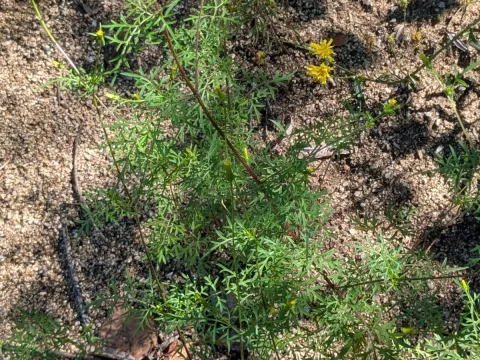
Small-flower beggarticks
Bidens parviflora
Small-flower beggarticks (Bidens parviflora) is an annual plant species belonging to the Asteraceae family. It is primarily cultivated for its medicinal properties, requiring careful planning of the sowing schedule to ensure optimal development.
What the section contains
Small-flower beggarticks
The planting process usually begins in late spring, once soil temperatures consistently exceed +12°C. Seeds should be sown at a shallow depth of 1–2 centimeters to allow adequate light exposure, which is necessary for uniform germination.
In large-scale production, row spacing is typically maintained at 45 to 60 centimeters. This wide spacing is essential to facilitate mechanical weeding and ensure that the plants have enough space to spread and develop their full leafy biomass.
Germination usually takes place within 10–14 days, depending on soil moisture levels. Maintaining consistent moisture in the upper soil layer during this period is critical to prevent seedling desiccation and ensure a high plant density per square meter.
The plant demonstrates vigorous early growth if conditions are favorable. Farmers often incorporate a light fertilizer application during the initial sowing stage to support the rapid development of the root system and primary stem structure.
Bidens parviflora thrives in moist, nutrient-rich soils with good aeration. It is particularly well-suited to loam or sandy-loam soils that prevent waterlogging while retaining the moisture required for steady plant development.
The plant is highly sensitive to drought; therefore, irrigation management is a crucial factor in successful cultivation. Adequate rainfall or supplemental watering during the peak growing phase in June and July is necessary to maximize yield.
Exposure to full sunlight is essential for the accumulation of secondary metabolites, which are the main bioactive components of the herb. Even partial shade can lead to stunted growth and reduced concentrations of essential oils and flavonoids.
The optimal temperature range for the growth cycle is +18°C to +26°C. While the plant can tolerate short periods of heat, extreme sustained temperatures require increased water management to prevent leaf wilt and premature flowering.
Soil nutrient levels, especially nitrogen and phosphorus, should be balanced. Excessive nitrogen can lead to overly lush vegetative growth at the expense of floral development, so a careful fertilization plan is recommended throughout the season.
Powdery mildew is the most common fungal threat, particularly in regions with high relative humidity and poor air circulation within the field. Preventive spacing and timely removal of infected plants can help manage the spread of the fungus.
Aphids are the primary insect pests, frequently attacking the tender tips and developing buds. Integrated pest management, focusing on biological controls or targeted applications, is preferred to ensure the final product meets organic standards for medicinal use.
Root rot diseases are generally associated with over-irrigation or poor soil drainage. Ensuring that the field is well-drained and not prone to standing water after heavy rain is a vital component of protecting the crop's health.
Weed competition during the first three weeks of growth is a major obstacle. Without effective weed control, the plant struggles to establish itself, leading to significantly lower biomass production and potential difficulties during the harvest.
Monitoring for signs of nutrient deficiency or localized pest damage on a weekly basis allows farmers to react quickly. Early intervention is the key to maintaining the high quality required for the pharmaceutical and cosmetic industries.
The harvesting stage begins when the plants reach full flowering. This is the moment of peak concentration for the target compounds, and timing is essential to ensure the highest therapeutic value of the harvested raw material.
The harvesting procedure involves cutting the upper 15–20 centimeters of the plant. Harvesters must avoid cutting into the woody lower sections of the stem, as these parts contain fewer active substances and lower the overall quality of the batch.
Post-harvest handling must be swift, as fresh plants can heat up quickly if piled together. Immediate transport to a drying facility or spreading the crop out in a thin layer is necessary to prevent fermentation and spoilage.
Drying is performed in dark, well-ventilated sheds or professional dryers with temperatures kept below +40°C. Controlled drying helps preserve the plant's natural green color and its distinct, subtle aroma, which are hallmarks of high-quality dried herbs.
Once dried to a moisture content of approximately 10–12%, the material is packed into breathable bags or pressed into bales. Proper storage in a cool, dry environment is required to ensure long-term shelf life before processing.