
Smith's ragwort
Senecio smithii
Smith's ragwort (Senecio smithii) is a robust perennial herb belonging to the Asteraceae family. This species is native to the cold and humid southern regions of South America, primarily inhabiting the southern areas of Chile and Argentina.
What the section contains
Smith's ragwort
The plant naturally thrives in riparian environments, including stream banks, marshes, and damp meadows. It is highly valued for its ability to tolerate high moisture levels that would prove fatal for many other garden species.
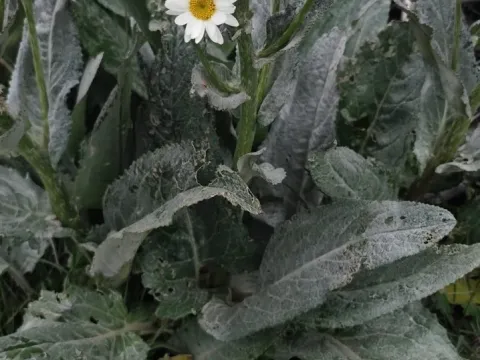
Botanically, it is characterized by large, coarse, serrated leaves and a tall, sturdy inflorescence. Its flowers form distinct heads, typical of the genus, but with a grandeur that makes them a focal point in specialized landscapes.
Cultivation requirements include rich, moisture-retentive soils and a cool climate. It is not a plant for arid regions; therefore, successful growth depends on providing consistent moisture and protection from intense heat.
In terms of usage, it is mainly utilized in botanical collections and ornamental settings where moist, boggy conditions need to be addressed with visually appealing and ecologically suitable vegetation.
The primary threats to Senecio smithii include various root rots caused by poor soil drainage in stagnant water conditions. Proper site preparation is essential to prevent these fungal issues.
Aphids and spider mites are the most common pests. These insects can quickly overwhelm the plant, causing chlorosis and weakening the vigor of the foliage during the growing season.
Extreme temperature fluctuations, especially during the transition from winter to spring, can cause physiological stress, making the plant more susceptible to opportunistic pathogens.
Competing with invasive grasses or fast-growing weeds is a significant challenge in the initial establishment phase, requiring manual weeding or mulching to ensure healthy growth.
During the harvest or maintenance of specimens, it is important to sanitize equipment to avoid transferring spores or bacterial agents between individual plants in the collection.