
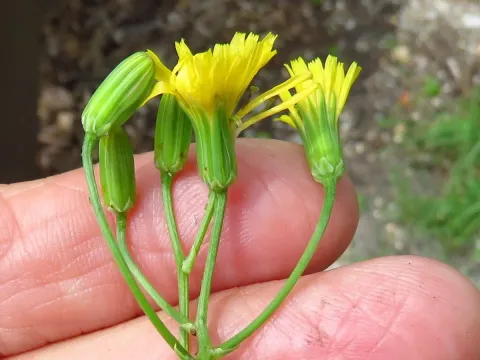
Smallflower hawksbeard
Crepis pulchra
Smallflower hawksbeard (Crepis pulchra) is an annual herbaceous plant belonging to the large Asteraceae family. In agricultural terms, it is generally classified as a wild plant or a weed, noted for its resilience and adaptability in various environments.
What the section contains
Smallflower hawksbeard
The species originates from Europe, the Caucasus, and parts of Western Asia. It typically inhabits dry meadows, fields, roadsides, and rocky slopes, successfully thriving in open landscapes with high exposure to sunlight.
Environmental requirements for this plant are centered on well-drained soils and direct light. It is highly drought-tolerant, meaning it can sustain growth during dry spells that would negatively affect many other herbaceous species.
Regarding soil conditions, Crepis pulchra performs best in neutral to slightly alkaline, light-textured soils. It does not tolerate waterlogging, which can easily lead to root stress and reduced growth performance.
Cultivation practices related to this plant are mainly focused on management rather than production. Because of its prolific seed production, it can become an invasive weed in cereals and other field crops, requiring effective control strategies.
The plant is susceptible to powdery mildew infection, which occurs primarily under conditions of high humidity or insufficient air circulation around the plants.
Aphid populations represent the most common biological threat, often clustering on the stems and developing flower heads, which hinders the successful pollination and maturation of seeds.
Leaf miners can cause structural damage to the foliage, resulting in reduced photosynthetic area and weakened overall plant vitality during the blooming period.
Root rot pathogens may develop in areas where soil drainage is inadequate, leading to the rapid decline of individual plants or small patches within a field.
Integrated pest management, including regular field monitoring and the use of approved herbicides, is recommended to keep populations in check when found in proximity to valuable crops.