
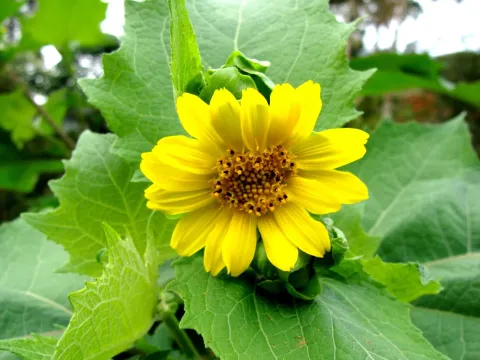
Smallanthus maculatus
Smallanthus maculatus
Smallanthus maculatus is a perennial herbaceous plant belonging to the Asteraceae family. In agricultural practice, it is typically sown in the spring once the threat of late frosts has passed, as the seedlings are susceptible to cold damage.
What the section contains
Smallanthus maculatus
Optimal soil temperature for germination ranges from 15 to 18 degrees Celsius. Careful site preparation is essential to ensure a weed-free seedbed, which allows the young plants to establish a strong root system during the initial growth phase.
The seeds may require stratification to improve germination rates, especially when using stored materials. Planting should be spaced to accommodate the plant's significant height, which can exceed two meters under favorable conditions.
Row spacing of 70 to 90 centimeters is recommended to ensure adequate airflow and facilitate mechanical weeding between rows. This spacing also helps in managing moisture levels effectively throughout the growing season.
Propagation can also be achieved through root divisions, which is often a more reliable method for establishing a new plantation in regions with a shorter frost-free period. This method results in faster development of the foliage.
Smallanthus maculatus thrives in fertile, well-draining soils with a neutral or slightly acidic pH. It performs exceptionally well in loam soils enriched with organic matter, which helps maintain consistent moisture levels.
The plant has a high water requirement during its peak vegetative growth phase. Regular irrigation is crucial during dry periods to prevent leaf scorch and ensure the continued production of high-quality green biomass.
Sunlight is a key factor for maximizing yield. While the plant can tolerate partial shade, it reaches its full biomass potential in full sun, where photosynthesis is most efficient throughout the long summer days.
Nutrient management should focus on sufficient nitrogen application to support the rapid development of stems and leaves. Organic fertilizers, such as composted manure, are highly effective when incorporated into the soil before planting.
Protection from high winds is often necessary, as the tall, succulent stems can be fragile and prone to lodging. Planting in sheltered areas or using windbreaks can significantly enhance the integrity of the crop.
The primary agricultural value of Smallanthus maculatus lies in its high yield of green biomass. In well-managed plantations, it produces significant quantities of fodder that is highly palatable to livestock.
Nutritionally, the foliage is rich in proteins and minerals, making it a valuable alternative to traditional forage crops. Regular harvesting throughout the season can lead to impressive annual yields per hectare.
The biomass reaches its peak quality just before the flowering stage. Farmers aiming for optimal protein content should time their harvest according to the phenological development of the crop rather than fixed calendar dates.
With correct management, a single plantation can remain productive for several years, providing a consistent source of forage. This longevity contributes to the economic efficiency of integrating this plant into farm rotations.
The plant's ability to regrow after cutting is a major advantage for intensive production systems. When managed correctly, multiple harvests can be achieved in a single growing season.
Common fungal diseases, such as powdery mildew, can pose a risk during periods of high humidity and poor air circulation. Proper spacing and proactive management of humidity are the best defense mechanisms.
Pests like aphids and spider mites can attack the leaves during hot, dry weather. Monitoring the crop every two weeks is recommended to catch infestations early and allow for targeted, environmentally friendly interventions.
Root rot is a potential threat if the crop is planted in poorly drained soil. Ensuring that the site is free from water stagnation is a fundamental requirement for maintaining a healthy and productive plantation.
In some regions, slugs and snails can cause damage to young leaves, particularly during the establishment phase. Keeping the area free of excess organic mulch and weeds can help reduce the presence of these pests.
Adopting an integrated pest management (IPM) approach is ideal for Smallanthus maculatus. Combining biological controls and healthy cultural practices minimizes the need for synthetic chemical inputs.
Harvesting is typically performed before the plant initiates flowering to ensure the highest nutrient density. The stems are cut using mechanical forage harvesters, ensuring a clean cut that promotes rapid regrowth.
The harvested biomass should be processed immediately to prevent heating and nutrient loss. Silage production is a common method, where the chopped material is packed tightly to exclude oxygen, promoting fermentation.
If producing dried fodder, the material must be spread thinly or processed to allow for rapid moisture reduction. This helps prevent the growth of mold and ensures the quality of the final stored product.
Optimal harvest timing is dictated by the plant's growth stage; waiting too long leads to increased fiber content and reduced digestibility for the animals. Careful observation of the crop is required for the best results.
After the final harvest of the season, the remaining stubble should be managed to protect the roots during the dormant winter period. This helps the plant survive the cold and ensures vigorous regrowth the following spring.