
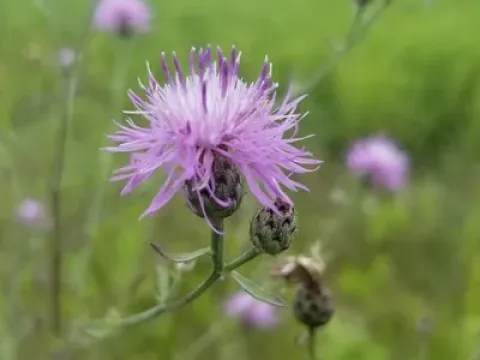
Stoebe
Stoebe
Stoebe is a genus of evergreen shrubs and subshrubs belonging to the Asteraceae family. Known for their heath-like appearance, these plants possess tiny leaves and dense branching patterns that provide a distinct aesthetic and structural profile.
What the section contains


Stoebe
Native primarily to Southern Africa, Stoebe species have evolved to thrive in harsh environments. They are typically found in rocky or sandy substrates where water is often scarce, highlighting their high level of xerophytic adaptation.
Successful cultivation requires excellent soil drainage and full sun exposure. These plants are highly susceptible to root rot if grown in heavy, waterlogged soils, making specialized substrate preparation essential for healthy growth.
The climate requirements for Stoebe favor Mediterranean-like conditions with dry summers. They demonstrate remarkable resilience to drought and heat, which makes them an excellent candidate for water-wise gardening and sustainable landscaping.
Agronomic management is minimal, focusing primarily on occasional pruning to maintain the plant's shape. Given their natural habitats, they have low fertility requirements and generally do not need intensive fertilization regimes.
In terms of practical utility, Stoebe is frequently harvested for the floral industry. Branches are collected during peak flowering to be dried, as they maintain their form and texture exceptionally well in various decorative arrangements.