
Stoebe passerinoides
Stoebe passerinoides
Description
Growing requirements
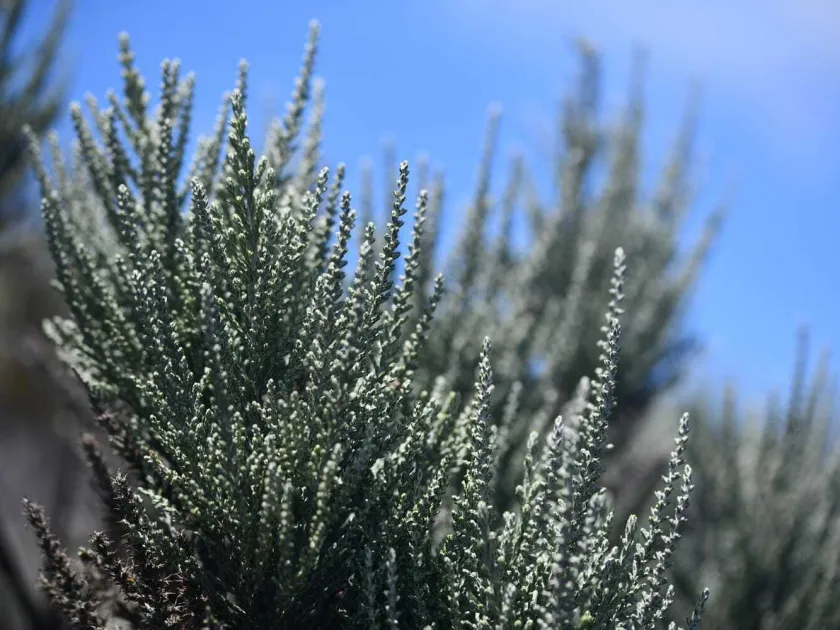
Stoebe passerinoides is an evergreen perennial shrub belonging to the Asteraceae family. Native to the mountainous regions of South Africa, specifically the Cape Floristic Region, this plant is well-adapted to harsh environmental conditions.
The species thrives in well-draining, sandy, or rocky soils that are naturally low in fertility. In agricultural and ornamental settings, it is crucial to avoid heavy clay soils, as they prevent proper aeration and lead to root asphyxiation during wet periods.
Climatic requirements focus on high sun exposure and a Mediterranean-like climate pattern. The plant is highly drought-tolerant, utilizing its deep root system to access water deep within the soil profile during dry summer months.
Botanically, the plant is distinguished by its small, appressed, scale-like leaves and specific inflorescences that characterize the Gnaphalieae tribe. Its structural appearance is somewhat similar to heath (Erica), making it a popular choice for xeriscaping and sustainable garden design.
Cultivation practices involve minimal disturbance of the root zone and very sparing use of fertilizers. The plant prefers acidic to neutral soil pH levels, and any significant deviation can result in nutrient lockout and visible stress on the foliage.
Main diseases and pests
The primary threat to Stoebe passerinoides is soil saturation, which directly promotes root rot pathogens. Proper drainage design is the most important agronomic consideration to prevent mortality caused by fungal infections in the rhizosphere.
Poor air circulation around the plant can lead to foliage blight, especially in humid or stagnant environments. Providing adequate spacing between individual plants ensures that the foliage dries quickly after dew or rainfall.
Pests such as spider mites and mealybugs may occur, particularly if the plant is kept in greenhouse conditions or restricted spaces with poor ventilation. Regular monitoring and physical removal are preferred over harsh chemical interventions.
Frost sensitivity can be a concern for young specimens during their first season. While the plant has some resilience to cold, severe winters in non-native climates require protective measures like mulching or temporary sheltering to prevent tissue damage.
Nutrient imbalances, particularly iron or manganese deficiency caused by high pH, represent a physiological threat. Routine soil testing is advisable for those managing large stands to ensure the micro-nutrient availability remains within the optimal range.