
Stoebe kilimandsharica
Stoebe kilimandsharica
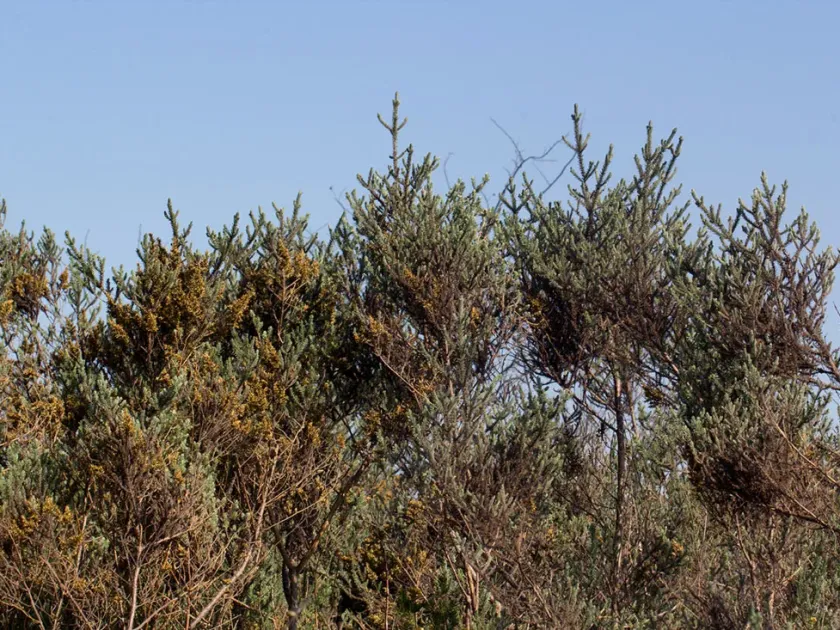
Description
Growing requirements
Stoebe kilimandsharica is a distinctive plant species belonging to the Asteraceae family. It is primarily found in the high-altitude afro-alpine zones of Mount Kilimanjaro and surrounding peaks in East Africa.
Morphologically, it is a hardy, evergreen shrub designed to survive in cold, windy, and nutrient-poor environments. Its leaves are small and often imbricated to reduce transpiration in a high-UV, harsh mountainous climate.
The species requires well-drained, volcanic, rocky substrates. It does not thrive in standard agricultural soil types, as its biology is specialized for the specific chemical composition of alpine ecosystems.
From an ecological perspective, this plant acts as a vital agent for soil stabilization. Its roots anchor the loose gravelly soil on steep mountain slopes, preventing erosion in fragile high-altitude environments.
The plant demonstrates a slow growth pattern, which is a classic adaptation to low-temperature environments. It is not traditionally cultivated for food or fiber but is preserved for its importance in the endemic biodiversity of the region.
Main diseases and pests
Climate change poses a significant threat to Stoebe kilimandsharica. The warming of mountain peaks threatens to move the optimal bioclimatic zone upwards, leaving the plant with nowhere to grow.
Wildfires, whether natural or caused by human activity, are catastrophic for this shrub. Given its slow regenerative capabilities, the recovery period after a fire can span several decades.
Overgrazing by livestock, even in high-altitude pastures, damages the structural integrity of the plant. This mechanical stress prevents seed maturation and successful recruitment of new generations.
Invasive species are gradually encroaching into higher altitudes. These aggressive competitors can displace the endemic shrub, reducing the overall stability of the mountain landscape.
Though not currently plagued by widespread pests, pathogens associated with humidity changes remain a latent threat, as shifting weather patterns alter the microbial balance in the soil.