
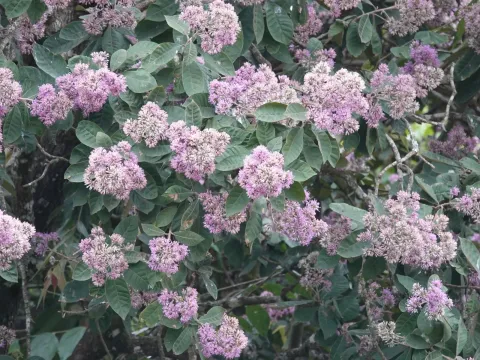
Strobocalyx
Strobocalyx
Strobocalyx, a member of the Asteraceae family, requires careful preparation for planting to ensure optimal germination and seedling development in the field.
What the section contains

Strobocalyx
The ideal time for sowing is late spring, once the danger of frost has passed and the soil has warmed sufficiently to support active root growth.
Seeds should be sown in rows with a distance of approximately 40–50 centimeters between them, allowing sufficient aeration and space for mechanical weeding.
Soil should be prepared by harrowing to create a fine tilth, which significantly improves the contact between seeds and the soil moisture profile.
Maintenance of consistent soil moisture is crucial during the germination phase to ensure a uniform emergence of sprouts across the entire field.
This crop thrives best in locations with high solar exposure, as light is a limiting factor for the development of its vegetative parts and quality yield.
Well-drained soils are essential; sandy loam or loamy textures are preferred to prevent waterlogging, which the plant is sensitive to throughout its lifecycle.
Nutrient requirements are moderate, with a focus on balanced potassium and phosphorus levels to promote strong root systems and resilient plant architecture.
pH levels in the soil should ideally range between 6.0 and 7.0, as extreme alkalinity or acidity can inhibit the uptake of essential micronutrients.
Wind protection can be beneficial in exposed areas to prevent lodging and physical damage to the leaves during intensive growth phases.
Strobocalyx is susceptible to various fungal pathogens that flourish in stagnant air conditions and high humidity, often affecting the foliage and stems.
Pests such as aphids and spider mites can be problematic, especially in warm, dry weather, when their reproductive rates increase rapidly.
Integrated Pest Management (IPM) strategies, including crop rotation and the use of natural predators, are recommended to maintain plant health.
Regular field scouting is essential to identify early signs of infestation or disease, allowing for timely and localized treatment interventions.
- Improving soil aeration through regular cultivation
- Removing infected plant debris after harvest
- Implementing crop rotation cycles every 3–4 years