
Struchium
Struchium
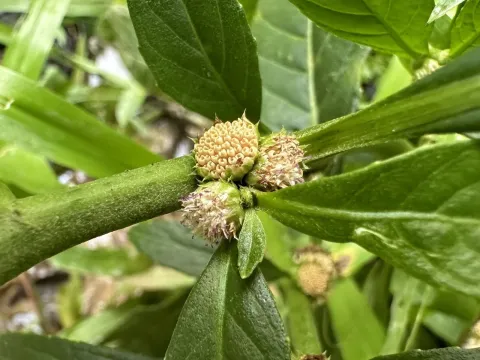
Struchium (Struchium sparganophorum) is an annual herbaceous plant belonging to the Asteraceae family. Native to tropical regions of Africa and parts of the Americas, it is primarily found in wetland habitats, riverbanks, and marshy areas where the soil remains consistently moist.
What the section contains

Struchium
Propagation is typically achieved through seeds, which are quite small and delicate. For optimal results, seeds should be sown in a high-quality, organic-rich substrate, ensuring they are only lightly covered to allow for proper light-dependent germination.
Maintaining a warm environment is crucial, with temperatures between 23°C and 27°C being ideal for the initial development of seedlings. High humidity is a key factor during the early stages, facilitating rapid growth and preventing the drying out of the sensitive root system.
When grown in a field setting, planting should occur after the risk of frost has passed. In tropical climates, cultivation can be sustained year-round provided that adequate irrigation and protection from direct, harsh sunlight are maintained.
Proper spacing between plants is essential for airflow. A distance of approximately 40 to 50 centimeters between rows helps in managing weed growth and allows easier access for regular maintenance and monitoring of the crop.
Struchium thrives in fertile, loamy soils that possess high water-retention capabilities. It is highly adapted to neutral or slightly acidic soil conditions (pH 6.0–7.0) and benefits significantly from the addition of compost or well-rotted manure.
Consistent soil moisture is the cornerstone of successful Struchium cultivation. While it enjoys wet conditions, it does not tolerate long-term stagnant water that leads to root rot, requiring soil with good structure that allows for slow drainage.
The plant prefers partial shade or dappled light. Intense, direct sun exposure during peak daylight hours can lead to leaf yellowing and reduced quality of the greenery, so the use of shade cloth is often recommended in commercial settings.
As a tropical plant, Struchium is highly sensitive to cold. Temperatures consistently below 15°C will severely inhibit plant metabolism and can lead to irreversible growth stagnation. Maintaining a stable, warm thermal environment is vital.
Nutrient management focuses on nitrogen, which is essential for lush leaf development. Balanced fertilization regimes, combined with organic mulching, help maintain soil fertility and structure throughout the growing season.
The yield of Struchium is measured in terms of total leafy biomass. Given that it is a leaf vegetable, maximizing the production of healthy, tender foliage is the primary goal for growers aiming for market-ready products.
The edible parts of the plant, including the young leaves and shoots, are widely consumed in various traditional dishes. These parts contain a notable concentration of antioxidants and vitamins, which contributes to its reputation as a nutritious green vegetable.
Under optimal conditions, yield is high and can be sustained through multiple harvests. Regular pruning of the stems encourages the plant to branch out, thereby increasing the total quantity of edible material available during a single growth cycle.
Efficient harvesting techniques that leave the base of the plant intact can allow for multiple cuts, ensuring a steady supply of greens while minimizing the need for frequent replanting.
Commercial viability is closely linked to the local demand for traditional leafy vegetables and the growing interest in medicinal flora, positioning Struchium as a promising niche crop in tropical agricultural systems.
Struchium is vulnerable to typical tropical pests, including aphids and spider mites, which feed on the tender young leaves. These infestations can severely impact plant vigor and reduce the aesthetic value of the harvested produce.
Fungal pathogens represent a significant risk, particularly powdery mildew and various leaf spot diseases that thrive in high humidity. Proper crop management, such as maintaining optimal airflow, is the most effective preventative strategy.
Root rot is the primary physiological and pathological threat caused by waterlogged soil. Ensuring adequate soil drainage and avoiding over-irrigation during periods of high rainfall are essential to protecting the root health of the crop.
Integrated pest management, utilizing biological control agents and organic-approved insecticides, is recommended to manage populations of harmful insects without contaminating the edible parts of the plant.
Early identification of signs of stress or infection is critical. Routine field inspections allow growers to remove individual affected plants, effectively preventing the rapid spread of diseases across the entire crop area.
Harvesting Struchium is a manual process that involves cutting the upper, tender parts of the shoots. Using sharp, sanitized tools is important to ensure clean cuts and avoid crushing the stems, which helps the plant recover quickly.
The ideal time for harvesting is during the cooler early morning hours. During this time, the plant is fully hydrated, ensuring that the leaves remain crisp and retain their freshness for a longer period after harvesting.
Post-harvest care involves immediate cooling and careful handling. The foliage is perishable and should be packed in breathable containers to prevent moisture build-up and subsequent bacterial growth, which can lead to decay.
Sorting and cleaning should take place shortly after harvest to ensure that only high-quality, healthy leaves reach the consumer. Any yellowed or wilted leaves should be removed immediately to maintain the overall quality of the batch.
Quick transport to market or cold storage facilities is necessary to preserve the nutritional content and shelf life of the harvested greens, as they are susceptible to enzymatic browning if left at room temperature for too long.