
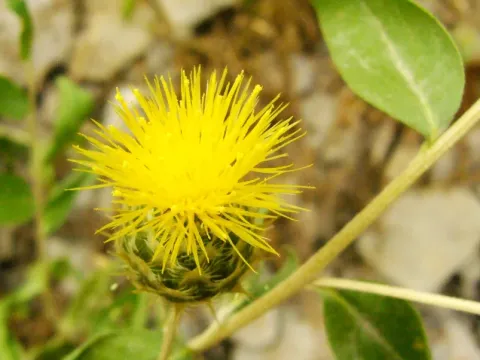
Stizolophus
Stizolophus
Stizolophus is a genus of herbaceous plants belonging to the Asteraceae family. Known for its resilience and unique appearance, this plant is primarily found in arid regions of Central Asia, where it has adapted to survive under harsh environmental pressures.
What the section contains

Stizolophus
Botanically, Stizolophus plants are characterized by their sturdy stems and deeply penetrating root systems. These features allow the plant to thrive in nutrient-poor, rocky, or sandy soils, where other crops would fail to establish due to the lack of moisture.
Regarding climate, Stizolophus requires full sun exposure and a well-drained environment. It is highly sensitive to waterlogging, which can cause rapid decay of the root crown; therefore, well-structured, porous soil is essential for long-term survival.
Agricultural practices for this crop are relatively straightforward due to its drought tolerance. It does not require frequent irrigation once established and can handle high heat, making it a candidate for regions where water resources are restricted.
The plant demonstrates distinct growth phases, starting with a slow initial development followed by a rapid rise in biomass during the peak of summer. Its lifecycle is finely tuned to the rhythms of its native, arid climate, favoring low-intensity management.
Pathogenic fungi pose the primary threat to Stizolophus cultivation, especially when the plant is grown in areas with poor airflow. Diseases like powdery mildew can quickly damage the foliage, leading to premature leaf drop and reduced vitality.
Pest pressure is mainly exerted by sucking insects, such as aphids and thrips. These pests concentrate on the most tender parts of the plant, potentially causing stunting and transmitting various pathogens that affect overall health.
Maintaining clear ground around the plants is critical. Weeds act as a host for pests and prevent the necessary air circulation that the plant needs to stay dry. Manual weeding or light cultivation between rows is recommended.
Integrated Pest Management (IPM) is the best approach to control these threats. This includes monitoring for early signs of infestation and using biological control agents before resorting to chemical interventions which could disturb local ecosystems.
In conclusion, keeping the plant in a dry, well-ventilated space is the best defense against major diseases. With proper site selection and minimal, precise irrigation, the risk of serious health issues in Stizolophus crops remains minimal.