
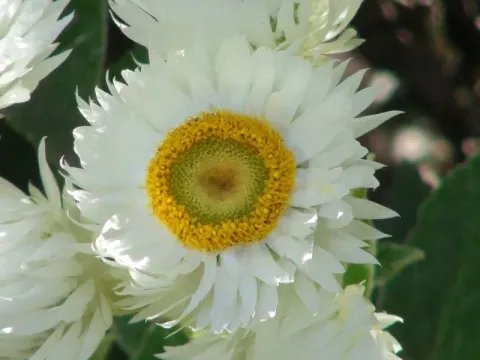
Coronidium
Coronidium
Coronidium seeds are typically sown indoors in late winter or early spring, approximately 6 to 8 weeks before the last expected frost date.
What the section contains
Coronidium
Germination requires a soil temperature between 18–22 degrees Celsius, and it is crucial to provide ample light to prevent the seedlings from becoming leggy.
Transplanting into open ground should only occur after the danger of frost has passed and soil temperatures have warmed sufficiently.
A spacing of 30–40 centimeters between plants is recommended to ensure optimal air circulation and to minimize the risk of fungal diseases.
Direct seeding in the field is only advisable in regions with an exceptionally long growing season, as the plant requires significant time to mature.
Coronidium is a genus of herbaceous plants in the Asteraceae family, native to Australia, which explains its requirement for high levels of solar radiation.
The crop thrives in well-drained, sandy, or gritty soil; stagnant moisture around the root zone is a critical factor leading to plant failure.
While the plant exhibits high drought tolerance, supplemental irrigation during the peak growing and flowering stages is necessary to maximize quality.
Soil pH should remain in the neutral to slightly acidic range to ensure optimal nutrient uptake and root system development.
Choosing a site that is protected from strong, gusty winds is essential to prevent damage to the delicate floral stems during the peak of the season.
The primary threats to this crop include fungal infections, such as root and crown rots, which are often exacerbated by poor drainage and high humidity.
Pests like aphids and thrips can cause damage to foliage and developing buds, requiring consistent scouting throughout the growing period.
Powdery mildew can be a significant issue in crowded plantings; ensuring adequate spacing is the most effective preventative measure.
Integrated pest management strategies, including the use of biological control agents, should be prioritized over broad-spectrum chemical applications.
Good cultural practices, such as weed suppression and sanitation of the growing area, are fundamental in maintaining healthy and productive stands.
Harvesting for dried flower production should be performed at the semi-bloom stage, when the flower heads are firm but not yet fully open.
Operations are best conducted in the early morning once the dew has evaporated to ensure the longevity and color retention of the dried material.
Stems should be bundled and hung inverted in a dark, dry, and well-ventilated space to promote slow and uniform drying.
Coronidium is highly valued in the cut flower industry for its ability to maintain its structural integrity and vibrant color after the drying process.
Regular deadheading of spent blossoms can encourage the plant to produce a second flush of flowers, extending the harvest duration.