
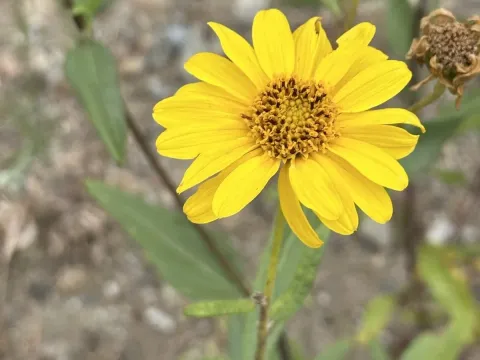
Slender sunflower
Helianthus gracilentus
Slender sunflower (Helianthus gracilentus) is a perennial herbaceous plant belonging to the Asteraceae family. Unlike commercial annual sunflowers, this species features a robust root system, allowing it to survive for multiple seasons.
What the section contains
Slender sunflower
Propagation is typically carried out by sowing seeds in early spring when the soil temperature rises above 10 degrees Celsius. In natural settings, the plant also spreads via its underground rhizomes.
The optimal planting depth is approximately 2–3 centimeters. Since the seeds are relatively small, shallow planting is essential to ensure adequate oxygen exposure and successful germination.
Seedlings emerge gradually, often over a period of several weeks. Maintaining consistent soil moisture during the first month after germination is crucial for the establishment of the root system.
The spacing between plants should be generous to accommodate the plant's natural growth habit. Proper spacing prevents overcrowding and minimizes competition for nutrients and solar energy.
As a sun-loving species, the slender sunflower requires full sun exposure throughout the day. Inadequate light levels can lead to weak stems and significantly reduced flower production.
The plant thrives in well-drained soils, ranging from sandy loam to rocky substrates. It is highly sensitive to waterlogged conditions, which can quickly lead to root rot and plant death.
One of the primary benefits of this species is its excellent drought tolerance. Once established, it can withstand periods of low rainfall by utilizing its deep root structure to access moisture.
Regarding soil pH, the plant prefers slightly acidic to neutral levels, typically between 6.0 and 7.5. It does not require intensive fertilization, as excessive nitrogen can promote excessive foliage at the expense of floral display.
The species is hardy and capable of surviving varying climate conditions. In colder regions, a layer of organic mulch can provide the necessary protection for the rhizomes during harsh winters.
Powdery mildew is a common fungal threat, particularly in environments with poor air circulation and high humidity. It manifests as a white, powdery coating on the leaves and stems.
Aphid infestations are frequently observed on young, tender shoots. These pests can weaken the plant by feeding on its sap, potentially leading to stunted growth or deformed foliage.
Rust diseases can impact the health of the leaves during wet summers. Implementing proper sanitation, such as removing infected leaves immediately, is an effective way to manage the disease spread.
Competition from invasive weeds can be a significant issue for young plants. Regular weeding and maintaining a clean growing area are fundamental to healthy plant development.
In cases of severe pest or disease outbreaks, biological control agents or targeted, organic-based treatments are recommended to maintain the ecological balance of the site.