
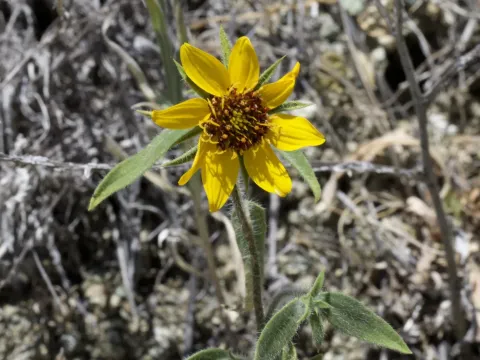
Slim sunflower
Helianthus exilis
The slim sunflower (Helianthus exilis) is a rare annual herbaceous plant belonging to the Asteraceae family. Unlike common sunflowers, this species is characterized by a notably slender stem and distinct ecological preferences in its native habitats.
What the section contains
Slim sunflower
The plant originates from California, USA, where it is known as an endemic species. It primarily occupies specialized ecological niches, often thriving on serpentine outcrops where soil chemical composition is restrictive for many other plant species.
Climatic requirements focus on high solar radiation and a stable temperature regime. It is not adapted to high-humidity environments; therefore, well-drained, airy soils are essential to prevent root rot and physiological stress during the vegetative phase.
Soil management for this species involves maintaining a balance of essential minerals, particularly calcium and magnesium, which are crucial for the development of its relatively fragile stem structures. The pH level should be managed to mimic its natural mineral-rich environment.
In terms of agricultural and scientific use, Helianthus exilis is primarily valued in research and breeding programs. It serves as a genetic source for improving the stress tolerance and resilience of commercial sunflower varieties against harsh soil conditions.
The primary threats to this species include various fungal pathogens, specifically those causing root and collar rot. These diseases thrive in environments with poor drainage, making soil moisture control the most critical factor for plant health.
Insect pests such as sunflower moths and various weevils can significantly impact the reproductive stages. They feed on the developing flower heads, which can severely compromise the seed production potential of the crop.
Aphids pose a recurring risk, especially during the early developmental stages, causing leaf curling and growth stunting. Regular field monitoring is required to mitigate pest outbreaks before they reach critical economic thresholds.
Nematodes represent a hidden threat that damages the root system, preventing the plant from effectively absorbing water and minerals. Avoiding sites with a history of sunflower monoculture is a standard preventative measure.
Weed competition is particularly aggressive during the initial growth phase. Since this species may develop more slowly than weeds, timely mechanical weeding is necessary to ensure the plants establish successfully without competing for light and nutrients.