
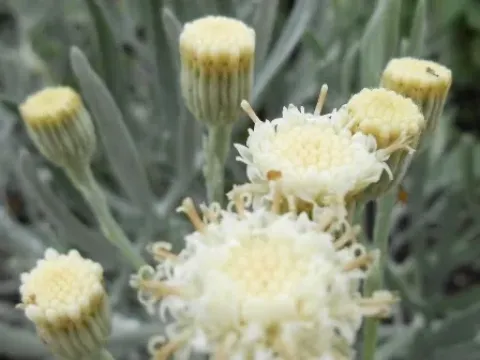
Senecio vira-vira
Senecio vira-vira
Seeds of Senecio vira-vira are sown in late winter or early spring in a seed tray filled with well-draining, sterile potting mix. The seeds require light for germination, so they should be pressed into the soil surface rather than covered.
What the section contains
Senecio vira-vira
Germination typically occurs within three weeks if a temperature range of 18–21 degrees Celsius is maintained. Consistent monitoring of moisture levels is required during this period to ensure successful sprouting.
Once the seedlings develop their first set of true leaves, they should be pricked out into individual small pots. This practice promotes strong root development and simplifies the transition to the garden.
Gradual acclimatization, or hardening off, is essential for seedlings intended for outdoor use. This involves slowly increasing their exposure to outdoor conditions over a two-week period.
Transplanting into the permanent garden bed should only occur once all danger of frost has passed, ensuring the plants have established a sturdy structure before the summer heat.
Senecio vira-vira thrives in full sun, which is critical for maintaining its signature silver, felt-like foliage. Shade leads to weak growth and the loss of the plant's characteristic coloration.
The plant requires very sandy or gritty soil that ensures rapid drainage. It is a drought-tolerant species that suffers quickly if the root zone becomes waterlogged for extended periods.
Soil pH should ideally be neutral to slightly alkaline. The plant does not perform well in heavily amended or nutrient-rich organic soils, which can cause it to grow too rapidly and become floppy.
Watering should be done sparingly, focusing on the soil rather than the foliage. Allowing the substrate to dry out between watering sessions is the best strategy for long-term health.
Climate adaptability is limited in cold zones; however, in suitable Mediterranean or arid climates, the plant functions as a long-lived perennial that requires minimal maintenance.
Root rot is the primary threat to the longevity of Senecio vira-vira. This is usually caused by overwatering or the use of heavy, moisture-retentive soil types in the planting area.
Fungal diseases, including downy mildew, can occur if there is insufficient air circulation. Proper spacing between plants is mandatory to allow leaves to dry quickly after rain.
Insects like aphids and spider mites may target the plant, especially if it is under stress from drought or improper lighting. These pests can rapidly affect the aesthetic value of the foliage.
Mealybugs are another potential nuisance, usually hiding in the axils of the leaves. Regular inspection of the plant is recommended to catch infestations in their early stages.
- Maintain excellent drainage.
- Avoid overhead irrigation.
- Monitor for signs of pest activity.
- Provide ample airflow between plants.