
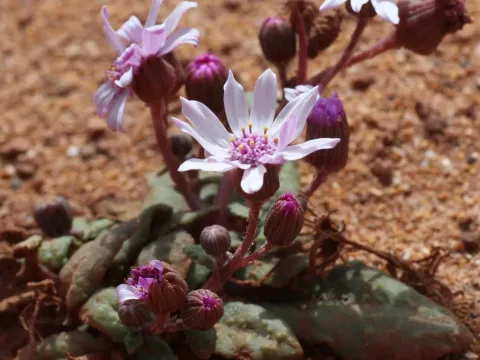
Senecio varicosus
Senecio varicosus
Senecio varicosus is a perennial herbaceous plant belonging to the Asteraceae family. Understanding its biological nature is essential for successful cultivation, as the plant exhibits specific morphological traits that allow it to thrive in its native ecological niches.
What the section contains
Senecio varicosus
The plant requires full sun exposure to maintain optimal physiological processes. Commercial plantings should be situated in locations that provide maximum daylight, as insufficient light levels negatively impact the structural integrity and growth rate of the stalks.
Soil quality is a critical determinant for this crop. It performs best in well-drained, sandy-loam soils that prevent waterlogging. Excessive moisture around the root zone is the most common cause of crop failure, necessitating the implementation of proper drainage systems in the field.
Climatic requirements involve moderate warmth and protection from severe frosts. While the plant shows reasonable adaptation to variable weather, extreme temperature fluctuations can stress the vegetation, requiring mulching techniques during the colder seasons.
Nutrient management should focus on a steady supply of micronutrients alongside a balanced NPK fertilizer schedule. Proper soil preparation, including tillage and the incorporation of organic matter, helps create an ideal environment for long-term plant development.
Like many plants in the Asteraceae family, Senecio varicosus is susceptible to various fungal pathogens. Powdery mildew often appears during periods of high humidity and poor ventilation, leaving a white, dust-like residue on the foliage.
Aphids and spider mites are the primary insect pests that threaten the vitality of the crop. These pests extract essential sap from leaves, causing them to wilt, curl, and turn yellow, which significantly reduces the photosynthetic efficiency of the plant.
Root rot, often associated with soil-borne fungi such as Fusarium, can devastate entire fields if the soil remains waterlogged for extended periods. Preventive strategies include rigorous water management and the use of healthy, certified planting material.
Slugs and snails can cause significant damage during the early growth stages. Integrated pest management, including the use of barriers and targeted organic treatments, is necessary to keep the pest population below the economic threshold.
Sanitary practices, including the regular removal of dead plant debris, are vital. By minimizing the reservoir for pests and fungal spores, growers can significantly reduce the need for aggressive chemical interventions throughout the season.