
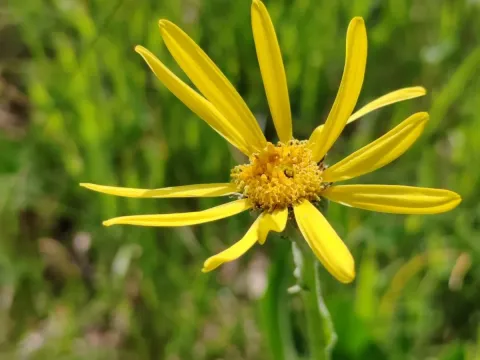
Scopolii groundsel
Senecio scopolii
Scopolii groundsel (Senecio scopolii) is a perennial herbaceous plant belonging to the Asteraceae family. It is native to the mountainous regions of Central and Southern Europe, where it thrives in cool, humid environments typical of high-altitude ecosystems.
What the section contains
Scopolii groundsel
The plant requires nutrient-rich, well-draining soils with a stable moisture supply to maintain its vegetative health. Neutral or slightly acidic soil pH is preferred, as it facilitates the uptake of essential micro-nutrients required for strong stem development.
Regarding climate, this culture prefers temperate zones with moderate sunlight exposure. In cultivation, it is best placed in partial shade to prevent thermal stress during peak summer days, as its natural habitat is often protected by mountain forest edges.
Agrotechnical practices involve regular soil aeration through hoeing and seasonal fertilization. Due to its slow initial growth rate, it is imperative to minimize weed competition during the establishment phase, as the plant does not tolerate being crowded by aggressive species.
The economic value of this crop is primarily found in botanical research and rare plant collections. It is occasionally used for chemical analysis due to the specific secondary metabolites present in the genus Senecio, which are of interest for pharmacological study.
The primary threats to Scopolii groundsel include fungal pathogens such as powdery mildew, which spreads rapidly in poorly ventilated areas with high humidity. Soil-borne fungi causing root rot are also a major concern for young plantations.
Insect pests, specifically aphids and spider mites, pose a significant risk to the foliage. Management of these pests usually requires consistent monitoring and the application of targeted biological control measures to prevent severe leaf chlorosis.