
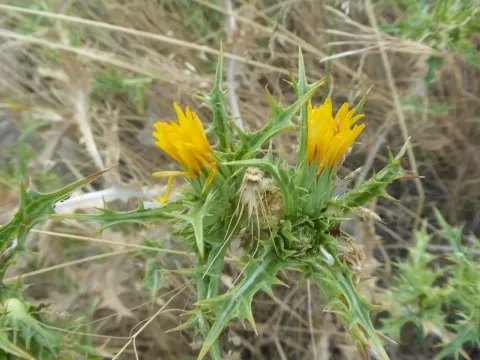
Scolymus
Scolymus
Scolymus is a biennial plant, therefore sowing is typically planned for the spring season when soil temperatures reach 10-12 degrees Celsius. In regions with milder climates, late-autumn sowing is also feasible.
What the section contains


Scolymus
Seeds are sown in rows, maintaining an interval of approximately 45-60 centimeters between them. A seeding depth of 1.5 to 2 centimeters is optimal for ensuring good germination rates and uniform seedling emergence.
Seed germination is relatively slow, necessitating consistent moisture in the topsoil layer. Once seedlings emerge, thinning is required to provide a spacing of 20-30 centimeters between individual plants within a row.
Optimal sowing dates should avoid the threat of late spring frosts, as young plants are sensitive to low temperatures during the early stages of their development.
Careful planning of sowing dates allows for efficient labor resource management and ensures a high-quality harvest of either root crops or young shoots, depending on the production goals.
Scolymus belongs to the Asteraceae family and prefers open, well-lit locations. While the crop is moderately drought-tolerant, it requires regular irrigation to promote robust leaf rosette formation and high-quality root development.
The ideal soil conditions are light, deeply worked sandy loams or loams with a neutral pH level. Heavy clay soils should be avoided, as they can impede root development and affect the visual quality of the final product.
The crop responds positively to organic amendments such as well-rotted compost incorporated into the soil during autumn preparation. Excessive nitrogen application should be avoided to prevent overgrowth of foliage at the expense of root storage.
A temperature range of 18-25 degrees Celsius is optimal for successful vegetative growth. The plant is capable of withstanding short periods of drought due to its deep-reaching taproot system.
Regular inter-row cultivation is essential to maintain soil aeration and suppress weed growth, which is critical for the healthy development of the plant during the growing season.
The yield potential of Scolymus depends heavily on strict adherence to agronomic practices and overall soil fertility. In the first year, the plant concentrates resources on developing a large rosette and a fleshy, edible root.
Root crop yields can reach significant levels under intensive management, averaging between 15 to 25 tons per hectare in commercial-scale production systems.
Biological attributes allow for the harvesting of tender young leaves and shoots, which possess a flavor profile similar to globe artichokes. This harvest is typically selective and performed before the onset of the flowering phase.
Achieving maximum marketable yields requires maintaining an optimal water balance throughout the entire vegetative period to support uninterrupted biomass accumulation.
Yield variations may occur based on specific variety selection and regional climatic factors, which significantly influence metabolic efficiency within the plant tissues.
The primary threats to Scolymus cultivation include fungal diseases such as root rot and powdery mildew, which are often exacerbated by waterlogged soil conditions or poor ventilation.
Among pests, subterranean insects that damage the root system, such as wireworms and white grubs, pose the most significant risk to young plantations and can cause substantial economic loss.
Aphids and other sap-sucking insects may infest tender foliage, requiring diligent monitoring of the fields and the timely application of integrated pest management strategies.
Disease prevention relies on strict crop rotation, ensuring that Asteraceae species are not planted on the same field more than once every four years, and diligent sanitation of plant residues.
Utilizing disease-resistant seeds and maintaining field hygiene are crucial factors in minimizing pesticide reliance and ensuring sustainable production.
Harvesting of Scolymus root crops usually takes place in late autumn of the first year, once the plant has accumulated its maximum stores of nutrients within the root.
Harvesting techniques involve lifting the roots using specialized equipment or manual tools, ensuring careful cleaning to avoid skin abrasions that could affect storage stability.
Young shoots and leaves are harvested in early spring of the second year, strictly before the plant initiates the bolting process, as the stems become tough and thorny post-flowering.
Once harvested, the produce requires immediate cooling and sorting, which is vital for extending the shelf life and maintaining high culinary quality for the market.
Roots should be stored in cool, high-humidity environments, which help maintain turgor pressure within the plant tissues and prevent wilting throughout the storage period.